
Recurrent Abortion, Causes
and Its Treatment
Support Line 24/7: 73538-73538


Recurrent Pregnancy Loss Treatments
Are you struggling to understand recurrent abortion? This article provides a comprehensive guide to the causes, diagnosis and management of recurrent pregnancy loss.
Recurrent pregnancy loss, also known as recurrent abortion, is a condition in which you experience two or more consecutive miscarriages before reaching 20 weeks of gestational age. While the causes of recurrent pregnancy losses may vary, it is important to understand the diagnosis and management options available.
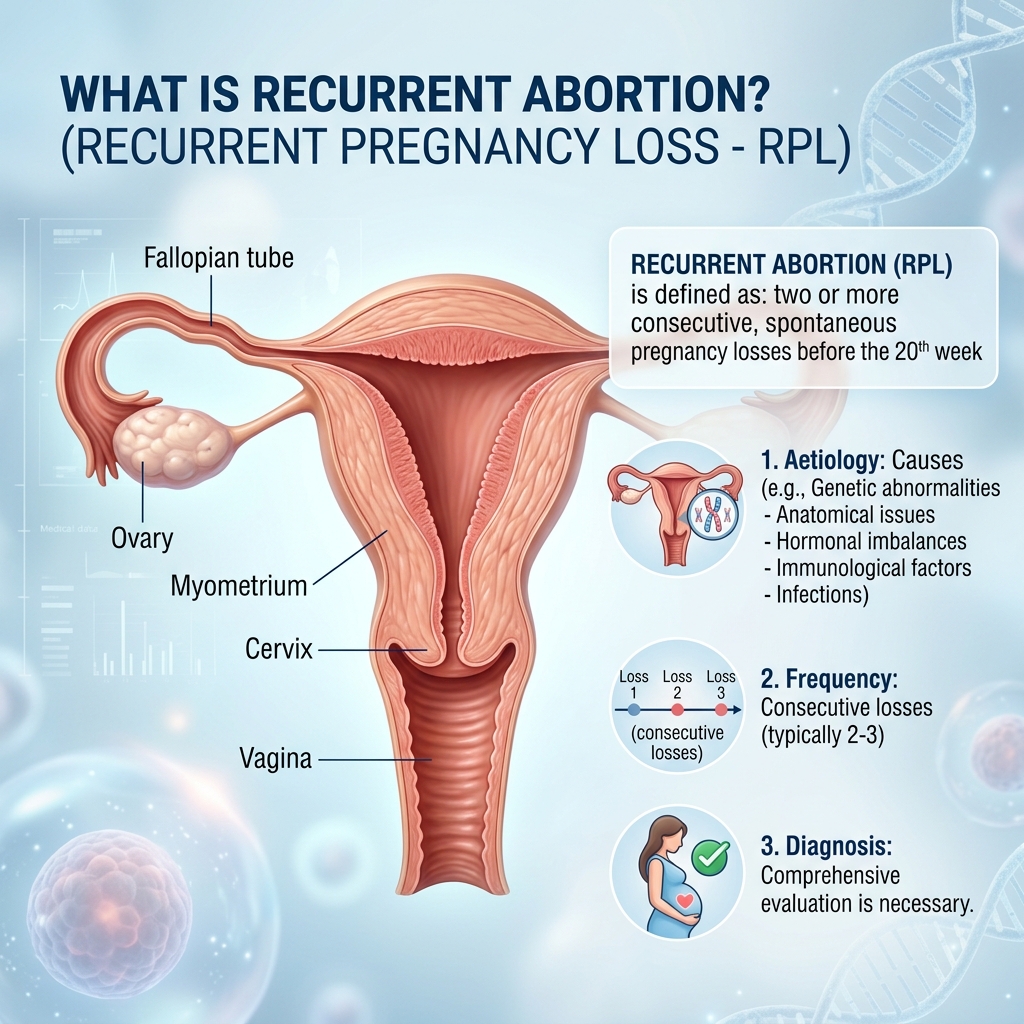
What is Recurrent Abortion?
Recurrent abortion is a condition in which two or more consecutive pregnancies end before reaching 20 weeks of gestational age. While the exact cause of recurrent abortion varies, common causes can include genetic abnormalities, immune system dysfunction, and hormonal imbalances. Treatment for recurrent pregnancy loss often includes a combination of lifestyle changes, medications, and possible even surgery depending on the underlying cause.
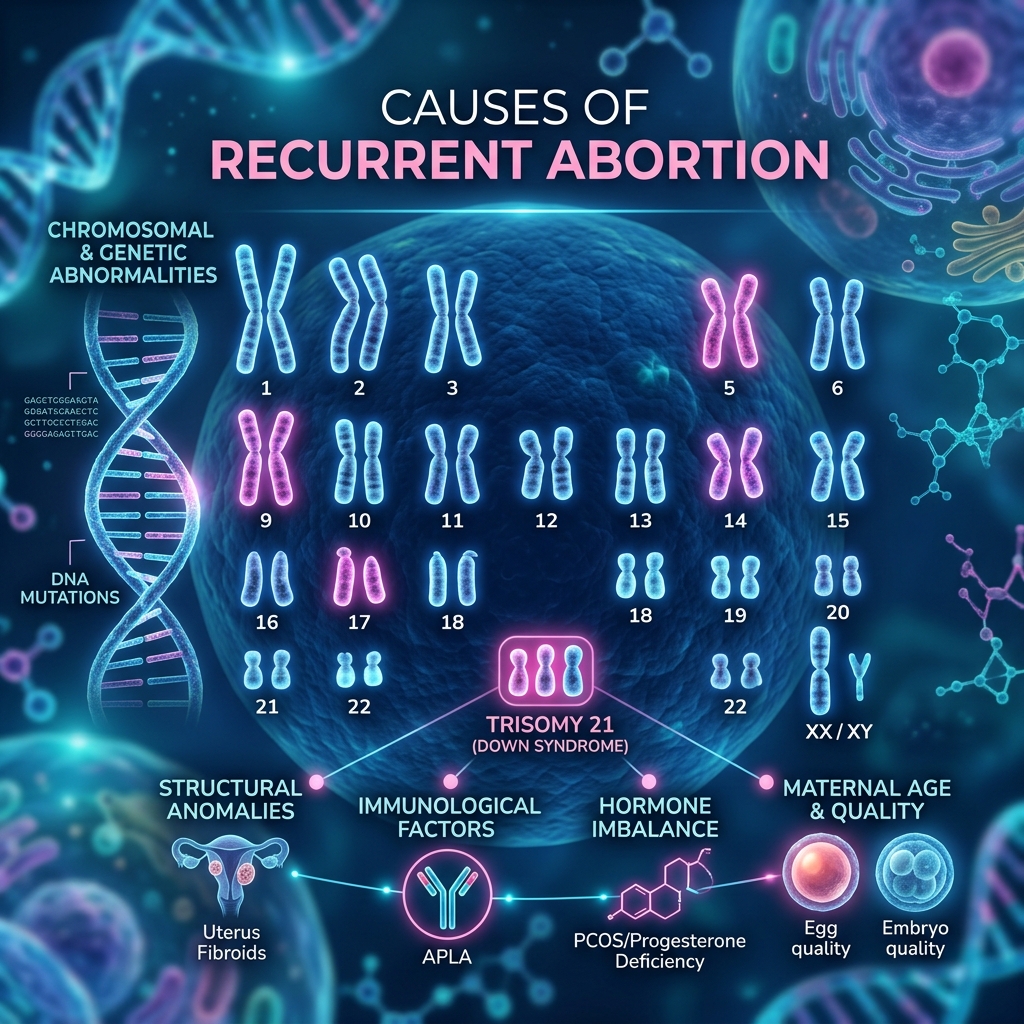
Causes of Recurrent Abortion
There are many possible causes of recurrent abortion that can vary from person to person. Common causes include genetic abnormalities, such as a problem with the number or structure of chromosomes in the developing fetus. Other possible causes include structural and hormonal imbalances, lifestyle factors (stress, smoking, poor nutrition), infection, autoimmune disorders, anatomical problems, and prior history of abortion. Sometimes, there is no identifiable cause even after extensive testing.
Diagnosis of Recurrent Abortion
Diagnosis of recurrent pregnancy loss begins with a thorough medical history, physical exam and ultrasound. Further tests may include screening for infectious diseases (such as HIV and Hepatitis C), chromosomal abnormalities, inherited blood clotting disorders and genetic syndromes. Testing may also include testing for autoimmune diseases, hormones such as thyroid hormone levels, anatomic problems with the uterus and cervical incompetence. Maternal serum markers can also be tested.
Make an Appointment Today!
Treatment Options for Recurrent Abortion
Treatment of recurrent pregnancy loss will depend on the underlying cause. In some cases, such as when there are inherited blood clotting disorders, medications may be prescribed to reduce the risk of miscarriage. If an anatomical problem with the uterus is found, surgery may be appropriate to correct the issue. If a thyroid disorder is present, then treatment options may include modifying lifestyle and dietary habits and taking medication to regulate hormone levels. Finally, if an infection or autoimmune disease is suspected, antibiotics or immune-modulating drugs may be prescribed in order to reduce the risk of future loss.
Prevention of Recurrent Abortion
In some cases, recurrent abortion can be prevented through lifestyle and dietary modifications. Eating a balanced diet with sufficient amounts of vitamins and minerals, and maintaining a healthy weight and avoiding alcohol and illicit drugs can reduce the risk of recurrent pregnancy loss. Additionally, for women who have had 2 or more miscarriages in the past, preconception counseling may be helpful in understanding reproductive health risks before trying to conceive again.