
Ensuring a Healthy Future with Embryo Biopsy
Embryo Biopsy is an advanced IVF technique used to screen embryos for genetic and chromosomal abnormalities before implantation. By analysing a few cells, doctors can identify healthy embryos through PGD / PGS, improving the chances of a successful and healthy pregnancy.
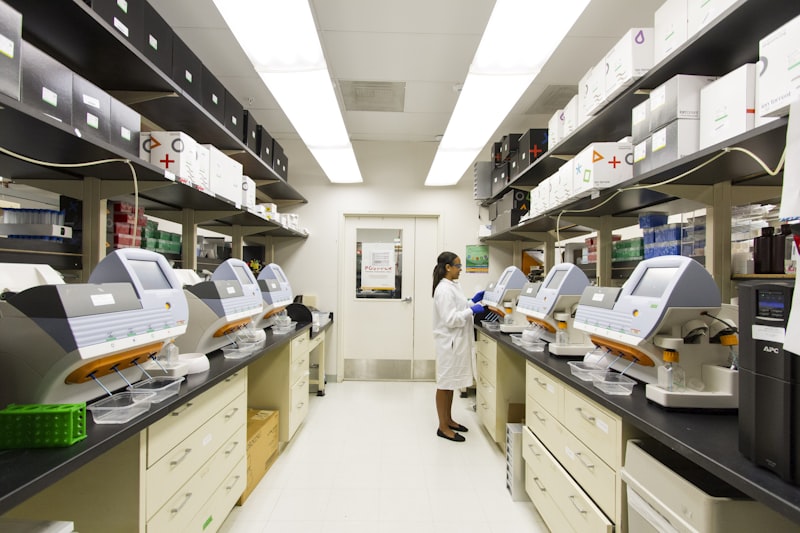
Precision Genetic Screening
Understanding the Biopsy Process
How it Works
Embryo biopsy is performed during IVF when the embryo reaches the 6–8 cell stage (Day 3) or at the blastocyst stage (Day 5–7) in the IVF laboratory.
One or more cells (blastomeres) are carefully separated from the embryo by creating a small opening in the zona pellucida using advanced micromanipulation techniques. After the biopsy, the embryo is immediately returned to the incubator to continue normal development.
The removed cells are sent to a genetic laboratory for PGT / PGD testing, while the embryo retains the ability to replace the removed cells and grow normally.
Embryo Culture
Embryos are cultured in the IVF lab until Day 3 or Day 5–7 of development.
Micromanipulation
A laser creates a precise opening in the embryo’s outer shell (zona pellucida).
Cell Retrieval
One or more cells are gently aspirated without disturbing embryo growth.
Genetic Analysis
Cells are analysed to detect chromosomal or genetic abnormalities before embryo transfer.
Day 3 vs. Day 5 Biopsy
Embryo biopsy can be performed at different developmental stages. Current clinical practice increasingly prefers blastocyst-stage biopsy for improved accuracy.
Day 3 (Blastomere) Biopsy
Performed when the embryo has reached the 6–8 cell stage (Day 3). One blastomere (cell) is removed for genetic testing.
- ⚠ Risk of Mosaicism: The biopsied cell may not represent the entire embryo due to unequal cell division.
- ⚠ Higher Relative Impact on Embryo Removing one cell from an early embryo may affect implantation potential, as the embryo has fewer cells at this stage.
Day 5 (Blastocyst) Biopsy
Performed at the blastocyst stage (Day 5–7) when the embryo has 100+ cells. Multiple cells are taken from the trophectoderm (future placenta), not the inner cell mass.
- ✓ Greater Diagnostic Accuracy More cells provide a more reliable genetic assessment.
- ✓ Lower Impact on Embryo Development Biopsy from the outer layer preserves the cells that form the baby.
Who Should Consider Embryo Biopsy?
Genetic Disorders
Couples with a known risk of inherited genetic conditions that may be passed on to the child.
Advanced Maternal Age
Women of advanced reproductive age, where chromosomal abnormalities in embryos are more common.
Recurrent Miscarriage
Couples with a history of repeated pregnancy loss, often linked to genetic or chromosomal factors.
Repeated IVF Failure
Previous IVF cycles where good-quality embryos failed to implant despite proper transfer.
Frequently Asked Questions
Science for a Healthy Family
Advanced genetic screening helps you make informed decisions. Discuss whether embryo biopsy is right for you with our specialists.