Introduction
In the intricate process of in vitro fertilization (IVF), understanding how the blastocyst attaches to the endometrium is crucial for achieving successful implantation. This attachment is a vital step in establishing a pregnancy. In this detailed guide, we’ll explore which layer of the blastocyst gets attached to the endometrium, the stages involved, and answer common questions related to this critical phase.
What is a Blastocyst?
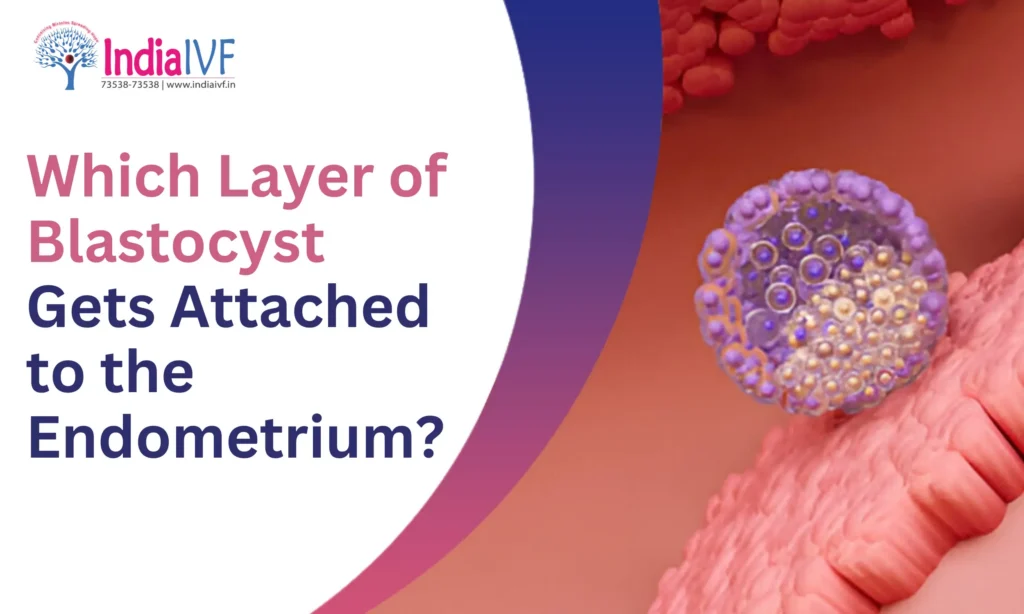
A blastocyst is an early-stage embryo that forms about five to six days after fertilization. It consists of about 200-300 cells and has differentiated into two main cell types: the inner cell mass, which will develop into the fetus, and the trophoblast, which plays a crucial role in implantation.
Which Layer of Blastocyst Gets Attached to the Endometrium?
The trophoblast layer of the blastocyst is responsible for attaching to the endometrium. The trophoblast cells invade the uterine lining, facilitating the blastocyst’s embedding into the endometrium, which is essential for establishing a connection with the maternal blood supply and supporting the embryo’s growth.
Stages of Blastocyst Attachment to the Endometrium
1. Apposition: The blastocyst comes into contact with the endometrial surface.
2. Adhesion: The trophoblast cells adhere firmly to the endometrium.
3. Invasion: The trophoblast cells penetrate the endometrial lining, allowing the blastocyst to embed itself securely.
Importance of the Trophoblast in Implantation
- Nutrient Supply: The trophoblast helps establish the placenta, which supplies nutrients to the growing embryo.
- Hormone Production: It produces essential hormones like human chorionic gonadotropin (hCG) that support pregnancy.
- Immune Interaction: The trophoblast interacts with the maternal immune system to prevent rejection of the embryo.
Factors Influencing Successful Blastocyst Attachment
Endometrial Receptivity: The uterine lining must be receptive, usually achieved through hormonal preparation.
Embryo Quality: High-quality embryos have a better chance of successful implantation.
Timing: Proper synchronization between the embryo and endometrial receptivity is crucial.
Conclusion
Understanding the role of the trophoblast layer in blastocyst attachment to the endometrium is key to grasping the complexities of IVF implantation. This knowledge can help couples and medical professionals optimize conditions for successful implantation and pregnancy. For more detailed information and personalized guidance, visit [www.indiaivf.in](https://www.indiaivf.in) and consult with our team of fertility experts.