Introduction
In the world of in vitro fertilization (IVF), timing is everything. One of the most critical aspects is understanding when the blastocyst implants. Knowing when the blastocyst is formed and the precise timing of its implantation can significantly impact the success of an IVF cycle. In this detailed guide, we’ll explore these key moments, explaining the science behind blastocyst formation and implantation, and answering common questions related to this process.
When is Blastocyst Formed?
A blastocyst is typically formed around five to six days after fertilization. During this time, the fertilized egg undergoes multiple cell divisions, transforming from a zygote into a more complex structure known as a blastocyst. This stage is crucial for the embryo’s development and its ability to successfully implant in the uterus.
When Does Blastocyst Implant?
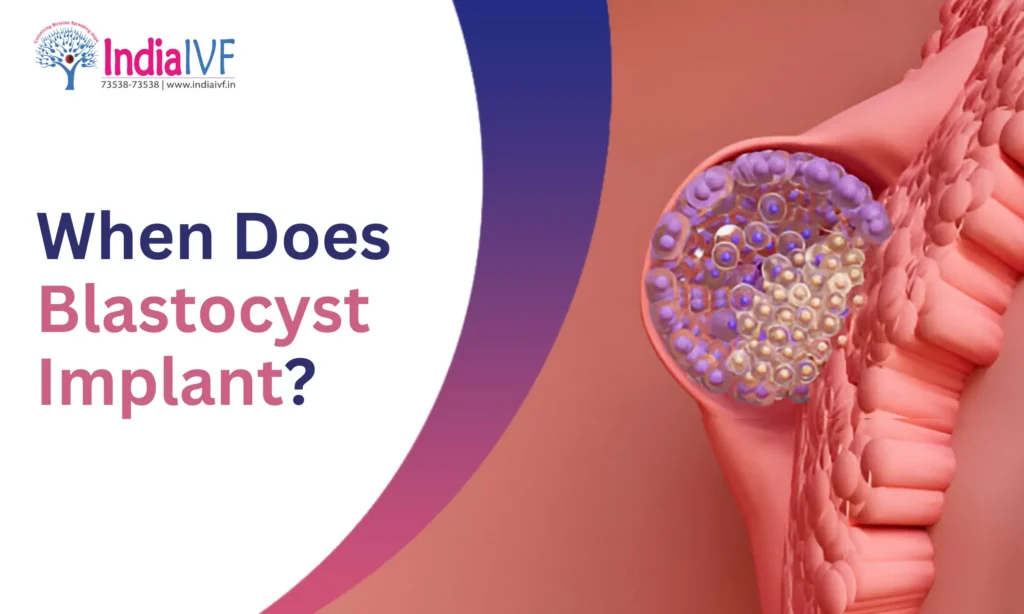
Blastocyst implantation usually occurs between five to seven days after fertilization. This process is when the blastocyst attaches itself to the uterine lining, which is essential for establishing a pregnancy. Successful implantation depends on the readiness of the uterine lining and the quality of the blastocyst.
The Process of Blastocyst Implantation
1. Hatching: The blastocyst hatches from its protective shell, known as the zona pellucida.
2. Adhesion: The blastocyst adheres to the uterine lining.
3. Invasion: The blastocyst invades the uterine lining to establish a connection with the mother’s blood supply.
Factors Affecting Blastocyst Implantation
- Embryo Quality: Higher quality blastocysts are more likely to implant successfully.
- Uterine Lining: A receptive uterine lining is crucial for implantation.
- Timing: Synchronization between the blastocyst and the uterine environment is essential.
Signs of Blastocyst Implantation
- Spotting: Light bleeding or spotting can occur.
- Cramping: Mild cramping is a common sign.
- Changes in Basal Body Temperature: A slight increase in basal body temperature may indicate implantation.
Conclusion
Understanding when the blastocyst implants and the factors that influence this critical stage can make a significant difference in the success of an IVF cycle. By focusing on the timing, quality of embryos, and the health of the uterine lining, couples can improve their chances of achieving a successful pregnancy. For more detailed information and personalized guidance, visit [www.indiaivf.in](https://www.indiaivf.in) and consult with our team of fertility experts.