Introduction
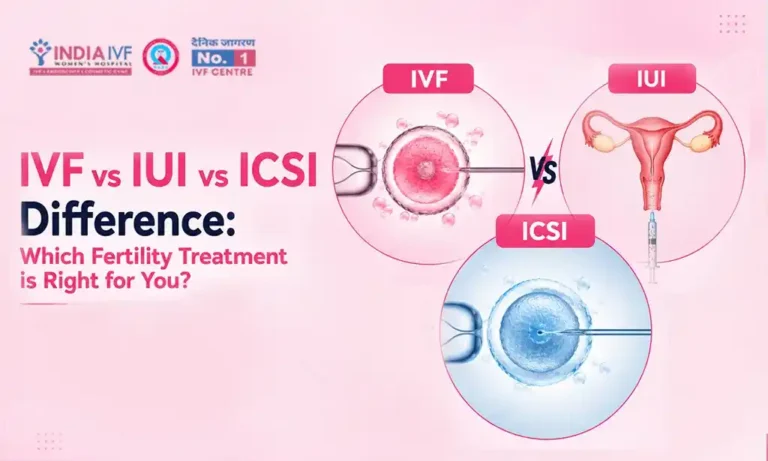
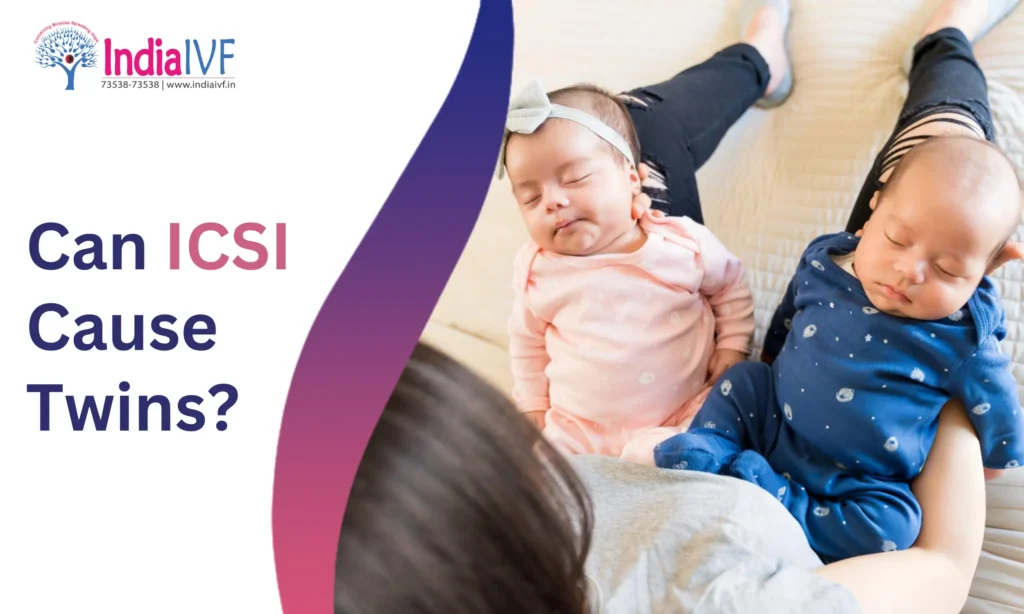
You might be wondering, “Can ICSI cause twins?” Well, let’s dive right in! Intracytoplasmic sperm injection (ICSI) is a specialized form of IVF treatment where a single sperm is directly injected into an egg. While ICSI itself doesn’t directly cause twins, the process associated with IVF might increase the chances of multiple pregnancies, including twins.
What Exactly Is ICSI?
ICSI is a technique used in IVF treatments, where a single sperm is selected and injected directly into an egg. This method is typically used when there are issues with sperm quality or quantity, or when previous IVF cycles have been unsuccessful. ICSI increases the likelihood of fertilization, but does it also increase the chances of twins?
Does ICSI Cause Twins?
- Multiple Embryo Transfer: One key factor in twin pregnancies during IVF with ICSI is the transfer of multiple embryos. To increase the chances of successful pregnancy, doctors may transfer more than one embryo into the uterus. This can lead to twins or even higher-order multiples.
- Controlled Ovarian Hyperstimulation (COH): During IVF, including ICSI, controlled ovarian hyperstimulation is used to produce multiple eggs. The availability of multiple embryos naturally increases the chance of multiple pregnancies.
- Identical Twins: Interestingly, the occurrence of identical twins (monozygotic twins) is somewhat increased in IVF treatments, including ICSI. This happens when a single embryo splits into two, leading to identical twins.
Risks and Considerations of Twin Pregnancies
Twin pregnancies, whether from ICSI or natural conception, come with increased risks:
- Preterm Birth: Twins are more likely to be born prematurely, which can lead to complications.
- Low Birth Weight: Twins often have lower birth weights, which might require specialized care.
- Gestational Diabetes: The risk of gestational diabetes is higher in twin pregnancies.
- Preeclampsia: There’s an increased risk of high blood pressure during pregnancy with twins.
Reducing the Risk of Twins in ICSI
If you’re concerned about the possibility of twins, there are steps that can be taken:
- Single Embryo Transfer (SET): Opting for a single embryo transfer can reduce the risk of twins. While this might slightly lower the overall success rate, it minimizes the risk of multiple pregnancies.
- Careful Monitoring: Your doctor will monitor your response to ovarian stimulation closely to reduce the risk of multiple pregnancies.
Conclusion
To wrap it up, ICSI doesn’t directly cause twins, but the procedures associated with IVF, such as multiple embryo transfers, can increase the chances. If you’re undergoing ICSI and concerned about the possibility of twins, discuss your options with your fertility specialist. They can guide you on the best course of action based on your unique situation.
For more information, consult the experts at India IVF Fertility located in Delhi, Gurgaon, Noida, and Ghaziabad. They can provide you with personalized advice and treatment options tailored to your needs.