Introduction
The journey from a single cell to a fully developed embryo is a fascinating process in the world of in vitro fertilization (IVF). Understanding the stages from blastocyst to embryo, gastrula, and ultimately to implantation is crucial for couples undergoing IVF treatments. This comprehensive guide will provide insights into each stage, offering a clear timeline and answering common questions to help you navigate this exciting journey.
The Journey from Blastocyst to Embryo
What is a Blastocyst?
A blastocyst is an early-stage embryo that forms about five to six days after fertilization. At this stage, the embryo consists of around 200-300 cells and has two distinct cell types: the inner cell mass (which will develop into the fetus) and the trophoblast (which will form the placenta).
Blastocyst to Embryo Timeline
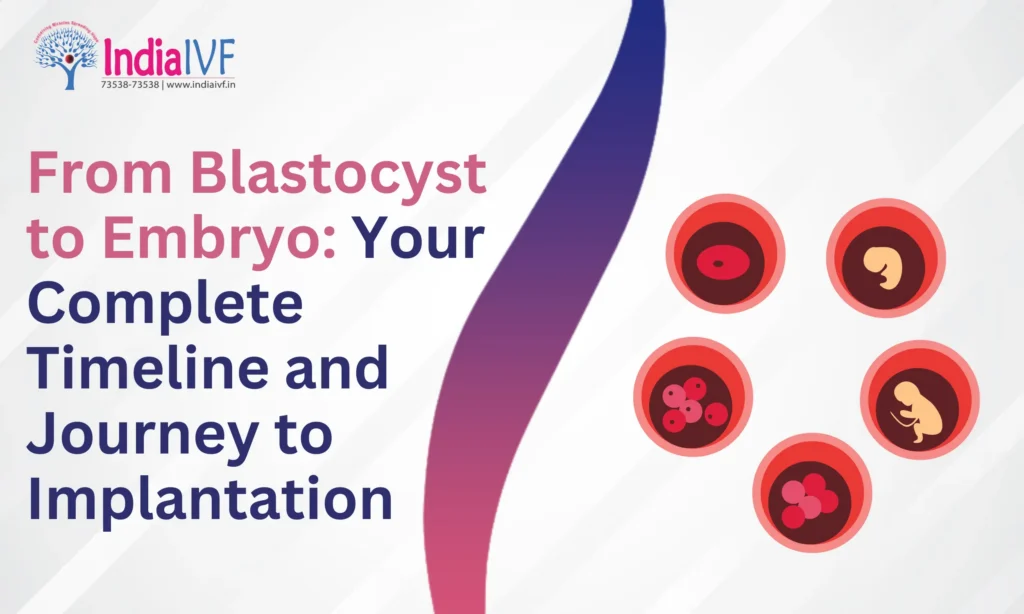
1. Day 1-3: Fertilization occurs, and the zygote begins cell division.
2. Day 3: The embryo reaches the 8-cell stage.
3. Day 4-5: The embryo becomes a morula (a ball of cells).
4. Day 5-6: The morula develops into a blastocyst.
5. Day 6-7: The blastocyst prepares for implantation into the uterine lining.
The Transition from Blastocyst to Gastrula
What is Gastrulation?
Gastrulation is the process by which the blastocyst reorganizes into a gastrula, a stage where the three primary germ layers (ectoderm, mesoderm, and endoderm) form. This stage is critical for the development of the body’s organs and tissues.
Key Steps in Gastrulation
1. Formation of Germ Layers: The inner cell mass differentiates into the three germ layers.
2. Body Axis Formation: The body axes (anterior-posterior, dorsal-ventral) are established.
3. Development of Primitive Streak: This structure marks the beginning of gastrulation and future development.
Blastocyst to Implantation
What is Implantation?
Implantation is the process by which the blastocyst attaches to and embeds itself into the uterine lining, starting around day 6-7 post-fertilization. This step is crucial for the establishment of a successful pregnancy.
Stages of Implantation
1. Apposition: The blastocyst loosely attaches to the uterine lining.
2. Adhesion: The blastocyst adheres more firmly to the endometrium.
3. Invasion: The trophoblast cells invade the uterine lining, allowing the blastocyst to embed and establish a connection with the mother’s blood supply.
Conclusion
The journey from blastocyst to embryo and eventually to implantation is a remarkable process that underpins the success of IVF treatments. By understanding the stages, timeline, and factors influencing this journey, couples can better prepare for their fertility treatments. For more detailed information and personalized guidance, visit [www.indiaivf.in](https://www.indiaivf.in) and consult with our team of fertility experts.