When Is ICSI Performed in IVF?
When couples face challenges in conceiving naturally, In Vitro Fertilization (IVF) often comes into play. But what if standard IVF isn’t enough? That’s when Intracytoplasmic Sperm Injection (ICSI) steps in. But when exactly is ICSI performed in IVF? Let’s dive into the specifics.
Why Is ICSI Used in IVF?
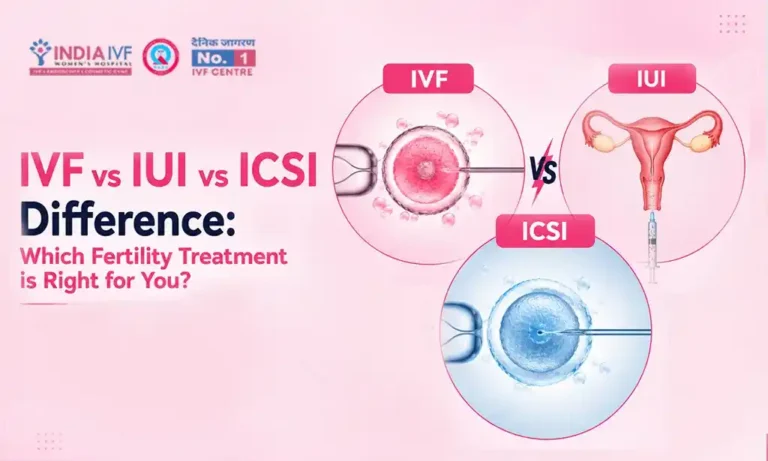
ICSI is a specialized form of IVF that directly injects a single sperm into an egg. It’s primarily used in situations where male infertility factors are at play, such as:
- Low Sperm Count: When the number of healthy sperm is too low for natural fertilization.
- Poor Sperm Motility: If sperm can’t swim effectively to reach the egg.
- Abnormal Sperm Shape: When sperm morphology (shape) is abnormal, affecting the sperm’s ability to penetrate the egg.
- Previous IVF Failures: When previous IVF cycles haven’t resulted in successful fertilization.
- Frozen Sperm: In cases where sperm has been frozen and thawed, which may reduce its viability.
When Is ICSI Needed in IVF?
Not all IVF cases require ICSI. But it’s needed when there are severe male fertility issues. For instance:
- Severe Oligospermia: When sperm count is critically low.
- Azoospermia: Complete absence of sperm in the ejaculate, where sperm retrieval from the testicles is necessary.
- Antisperm Antibodies: When the man’s immune system produces antibodies that attack sperm.
- Fertilization Issues in Past IVF Cycles: When eggs did not fertilize despite regular IVF procedures.
- Frozen Testicular Sperm: Used in cases where sperm was retrieved surgically and then frozen.
The Role of ICSI in IVF
ICSI plays a critical role in ensuring that even in the most challenging cases, fertilization can occur. Here’s how it fits into the IVF process:
1. Egg Retrieval: Eggs are harvested from the female partner.
2. Sperm Collection: Sperm is collected from the male partner or retrieved surgically if necessary.
3. Micromanipulation: A single healthy sperm is injected directly into the egg using fine-tuned instruments.
4. Fertilization Check: After injection, the egg is monitored for signs of successful fertilization.
5. Embryo Development: Fertilized eggs develop into embryos, which are then transferred to the uterus.
Benefits of ICSI in IVF
- Higher Fertilization Rates: Especially in cases of male infertility.
- Overcomes Sperm Problems: Even with severely low sperm counts or motility issues.
- Enables Use of Frozen Sperm: Helps in cases where sperm has been preserved.
- Improved Success in Repeat IVF Cycles: Increases chances in couples with previous failed IVF attempts.
Conclusion
When male infertility factors come into play, ICSI becomes an essential tool in the IVF process. It offers hope for couples facing severe sperm issues or those with a history of failed fertilization in standard IVF cycles. Understanding when ICSI is performed in IVF can help you make informed decisions about your fertility journey. At India IVF Fertility, our experts are here to guide you through every step, ensuring the best possible outcomes.