Introduction
If you’re exploring fertility treatments, you’ve probably come across the term ICSI. It’s a game-changer in the world of assisted reproduction. But what exactly does it mean? And how does it differ from other treatments? Well, you’re in the right place! Let’s dive right in and clear up the confusion surrounding ICSI.
What ICSI Means
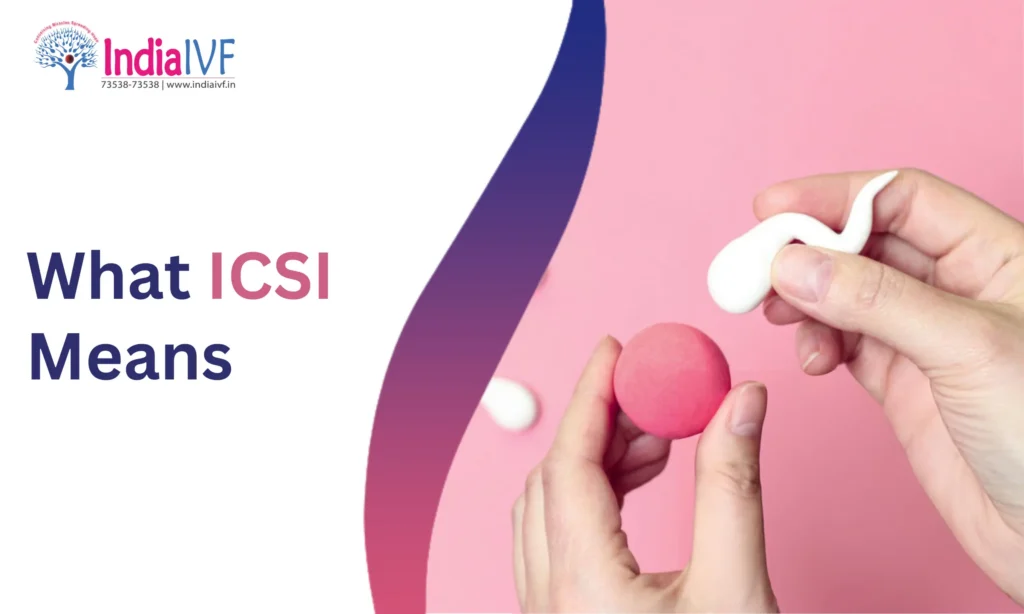
ICSI, or Intracytoplasmic Sperm Injection, is a specialized procedure used in the realm of fertility treatment. But don’t let the fancy term throw you off. In simple words, ICSI is a technique where a single sperm is injected directly into an egg to fertilize it. This method is particularly helpful for couples dealing with male infertility issues, such as low sperm count or poor sperm mobility.
Why ICSI?
- Targeted Fertilization: Unlike traditional IVF, where sperm and eggs are mixed together, ICSI ensures that fertilization occurs by directly inserting the sperm into the egg.
- Higher Success Rates: ICSI increases the chances of fertilization, especially in cases where sperm might have difficulty penetrating the egg naturally.
- Male Infertility Solution: It’s a go-to for couples where the male partner has sperm-related issues.
What Is ICSI Treatment?
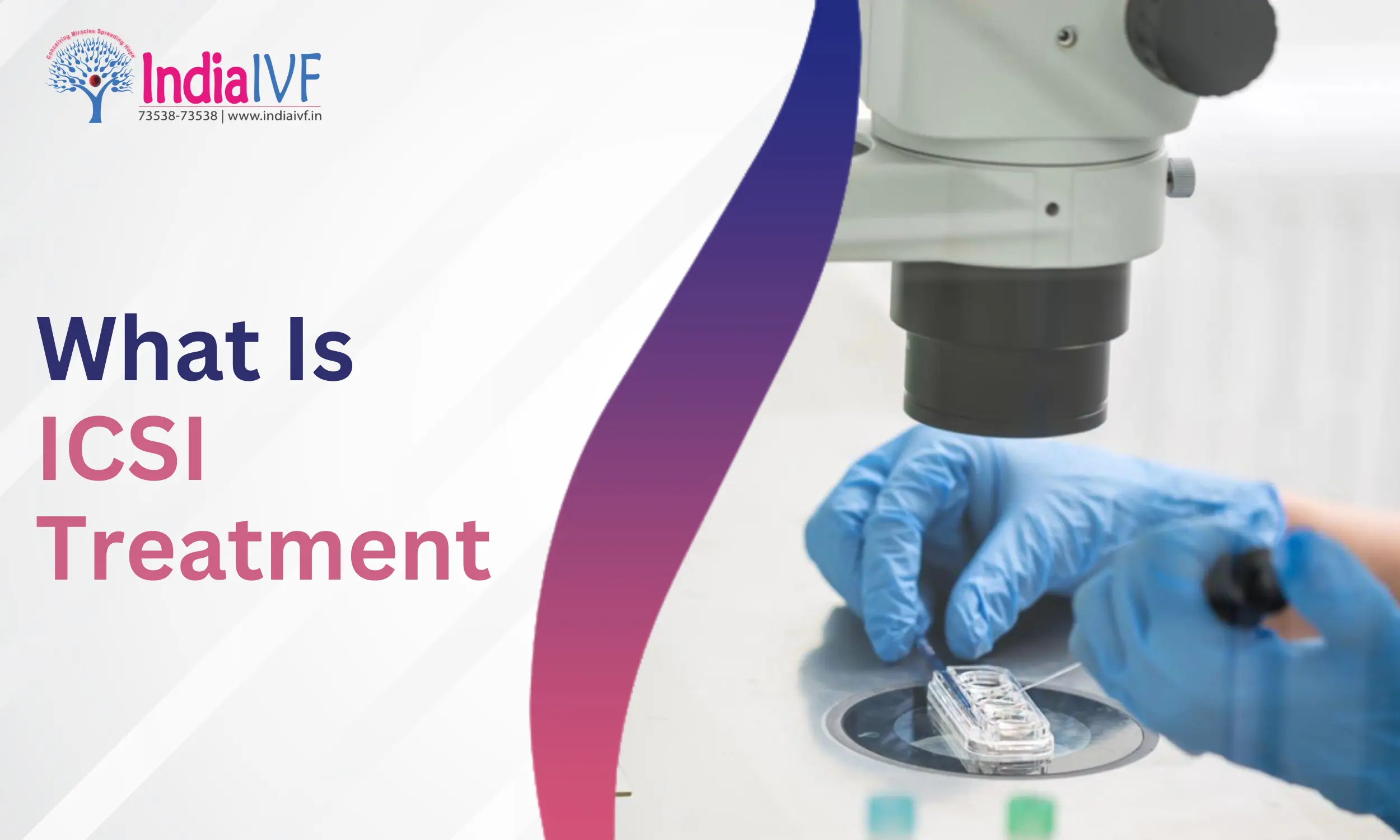
Now that we know what ICSI means, let’s talk about the treatment itself. ICSI treatment is an advanced form of IVF (In Vitro Fertilization). Here’s how it works:
1. Ovarian Stimulation: The process begins with stimulating the ovaries to produce multiple eggs. This step is crucial as it provides more opportunities for successful fertilization.
2. Egg Retrieval: Once the eggs are mature, they are retrieved from the ovaries using a minor surgical procedure.
3. Sperm Collection: Sperm is collected either from a fresh sample or, in some cases, from previously frozen sperm.
4. The ICSI Procedure: Here’s where the magic happens! A single sperm is carefully selected and injected directly into an egg using a fine needle.
5. Embryo Development: After fertilization, the embryo is monitored for a few days to ensure it is developing correctly.
6. Embryo Transfer: The final step involves transferring the best-quality embryo into the woman’s uterus.
Is ICSI Right for You?
- Male Factor Infertility: If there are issues like low sperm count, poor sperm movement, or abnormal sperm shape, ICSI might be recommended.
- Failed IVF Attempts: Couples who haven’t had success with conventional IVF might turn to ICSI for better results.
- Unexplained Infertility: Sometimes, the cause of infertility isn’t clear. In such cases, ICSI might be used as a precaution to improve fertilization chances.
What Is ICSI Fertility Treatment?
ICSI fertility treatment is essentially the same as ICSI treatment but with a focus on addressing specific fertility challenges. It’s designed to help couples who have struggled with infertility, particularly when traditional methods haven’t worked.
Benefits of ICSI Fertility Treatment
- Overcomes Severe Male Infertility: ICSI is often the best solution when male infertility is the primary issue.
- Reduces Fertilization Failure: By directly injecting the sperm into the egg, ICSI significantly reduces the chances of fertilization failure.
- Improves Success Rates: ICSI increases the likelihood of a successful pregnancy, especially for couples with specific fertility issues.
When to Consider ICSI Fertility Treatment?
- Previous IVF Failures: If previous IVF cycles have failed, ICSI might increase the chances of success.
- Low or No Fertilization: ICSI is a good option when previous fertilization attempts with standard IVF haven’t been successful.
- Genetic Concerns: ICSI allows for the possibility of genetic testing on embryos before they are transferred, which can be crucial for some couples.
Conclusion
ICSI is a revolutionary fertility treatment that has brought hope to many couples struggling with infertility. By understanding what ICSI means and how it works, you can make informed decisions about your fertility journey. At India IVF Fertility, we’re here to guide you every step of the way, offering cutting-edge treatments to help you achieve your dream of parenthood.