Introduction
Ever wondered why the journey to parenthood isn’t always as smooth as you’d imagined? Perhaps you’ve encountered the term “sperm DNA fragmentation” during your quest for answers. This little-known topic often leaves people scratching their heads. But fret not! We’re about to shed light on this enigma.
In this enlightening guide, you’ll discover:
- The ABCs of sperm DNA fragmentation
- Common culprits behind it
- Why and when to get tested
- The relevance in clinical settings
So, grab a comfy seat and let’s get cracking!
What Is Sperm DNA Fragmentation?
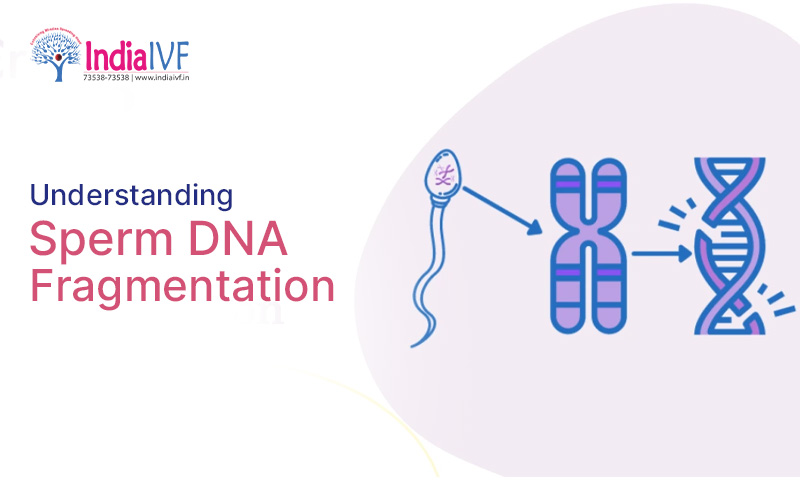
Let’s start with the basics. Imagine your DNA as a long, winding staircase—the famous “double helix.” It’s the blueprint for all things that make you, well, you. Now, sperm DNA is one-half of the blueprint needed to create a new life. So, it’s gotta be in tip-top shape. Sperm DNA fragmentation is akin to a broken step or two in that staircase—something that can trip up the whole process of fertilization and subsequent embryo development.
What Causes Sperm DNA Fragmentation?
Life happens! Stress, age, and even lifestyle choices like smoking or poor diet can lead to sperm DNA fragmentation. Here’s a quick rundown:
- Age: Like fine wine, we get better with age, but sadly, our sperm quality might not share that view.
- Smoking: Bad for your lungs, bad for your sperm.
- Stress: High stress = low sperm quality. It’s a tough equation.
- Environmental Factors: Pollution and exposure to harmful chemicals can also be culprits.
Why Would Sperm DNA Fragmentation Testing Be Useful?
Let’s be real. If you’re going through fertility treatments, you want the best odds, right? Understanding your sperm DNA fragmentation levels can:
- Help Tailor Treatments: If fragmentation is high, some treatments might be more effective than others.
- Improve Success Rates: Knowledge is power, especially when it comes to IVF cycles.
What Does Testing for Sperm DNA Fragmentation Involve and Who Should Have It Performed?
Ready for the nitty-gritty?
Testing methods include:
- Sperm Chromatin Structure Assay (SCSA)
- Terminal deoxynucleotidyl transferase dUTP nick end labeling (TUNEL)
Who should consider testing?
- Men with unexplained infertility
- Those with recurrent miscarriages in their partner
- Prior to starting fertility treatments, including IVF
Clinical Utility of DNA Fragmentation
Skeptical about the real-world use of this test? Well, it’s more than just numbers on a page!
- Treatment Efficacy: Understanding fragmentation helps in choosing the right treatments, like ICSI over traditional IVF.
- Financial Planning: Knowing what you’re up against can help you financially plan better for treatments.
Conclusion
We hope this guide has demystified the concept of sperm DNA fragmentation for you. Whether you’re a medical professional or someone stepping into the labyrinth of fertility treatments, knowledge of this topic could be a game-changer. Stay informed and take the right steps for a brighter, happier tomorrow.