Introduction
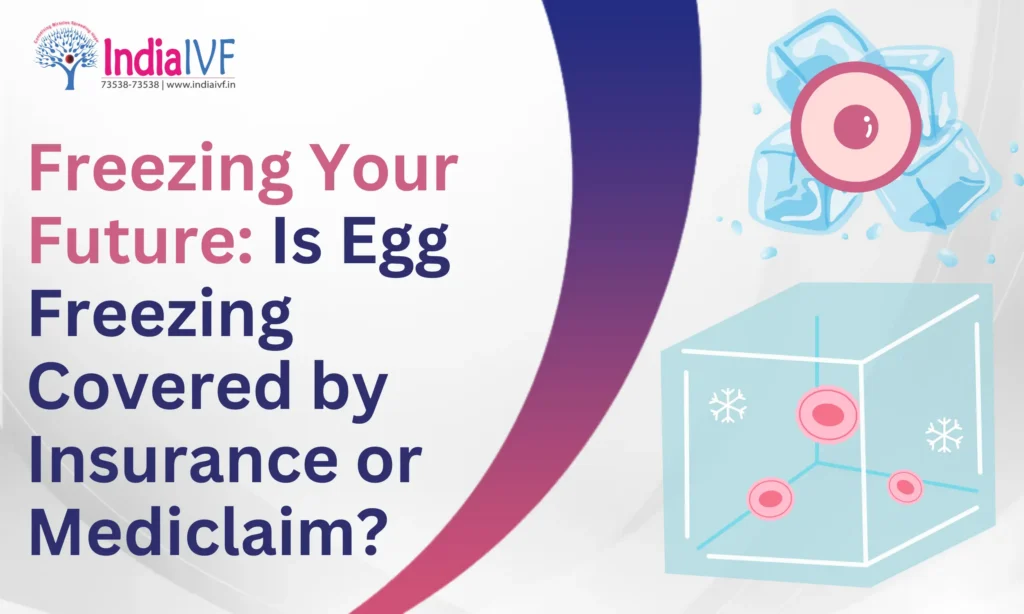
Egg freezing, also known as oocyte cryopreservation, is becoming an increasingly popular choice for women who want to preserve their fertility for future use. But a common question arises: Is egg freezing covered by insurance or mediclaim? This blog post will explore the intricacies of insurance and mediclaim coverage for egg freezing, shedding light on which companies offer this benefit and what to look for in an insurance policy.
Understanding Egg Freezing
Egg freezing involves harvesting a woman’s eggs, freezing them, and storing them for future use. This procedure allows women to delay pregnancy for various reasons, such as career goals, medical treatments, or personal preferences.
Why Consider Egg Freezing?
- Delaying pregnancy due to career or personal reasons
- Undergoing medical treatments like chemotherapy
- Taking control of reproductive health and future
Insurance and Mediclaim Coverage for Egg Freezing
Is Egg Freezing Covered by Mediclaim?
Mediclaim policies typically cover medical expenses incurred during hospitalization. Unfortunately, egg freezing is often categorized as an elective procedure, meaning it isn’t usually covered by standard mediclaim policies. However, some advanced policies might offer partial coverage under specific conditions.
Is Egg Freezing Covered by Insurance?
Insurance coverage for egg freezing varies widely. Some insurance plans may cover the procedure if it’s deemed medically necessary, such as before undergoing treatments that could affect fertility (like chemotherapy). Other plans might offer partial coverage or require additional riders for fertility preservation.
Which Companies Cover Egg Freezing?
Several progressive companies recognize the importance of fertility preservation and offer coverage for egg freezing as part of their employee benefits. Let’s take a look at some of these companies:
1. Google: Provides coverage for egg freezing as part of their comprehensive healthcare benefits.
2. Facebook: Offers generous fertility benefits, including egg freezing.
3. Apple: Covers egg freezing procedures for its employees.
4. Microsoft: Includes egg freezing in their fertility treatment coverage.
These companies set a benchmark in recognizing the importance of fertility preservation, providing their employees with peace of mind and greater control over their reproductive health.
What to Look for in an Insurance Policy
When considering insurance coverage for egg freezing, here are some key points to keep in mind:
1. Check for Fertility Benefits: Ensure that the insurance policy specifically mentions coverage for fertility treatments, including egg freezing.
2. Understand the Terms: Look for policies that cover egg freezing as a medical necessity, especially if you have underlying health conditions.
3. Inquire About Riders: Some policies may offer additional riders for fertility preservation. Ask your insurance provider about these options.
4. Employer Benefits: Check if your employer offers fertility benefits as part of their health insurance package.
Conclusion
Understanding whether egg freezing is covered by insurance or mediclaim is crucial for those considering this fertility preservation option. While coverage varies, it’s encouraging to see more companies and insurance providers recognizing the importance of fertility preservation. By knowing what to look for in an insurance policy and exploring employer benefits, women can make informed decisions about their reproductive health.