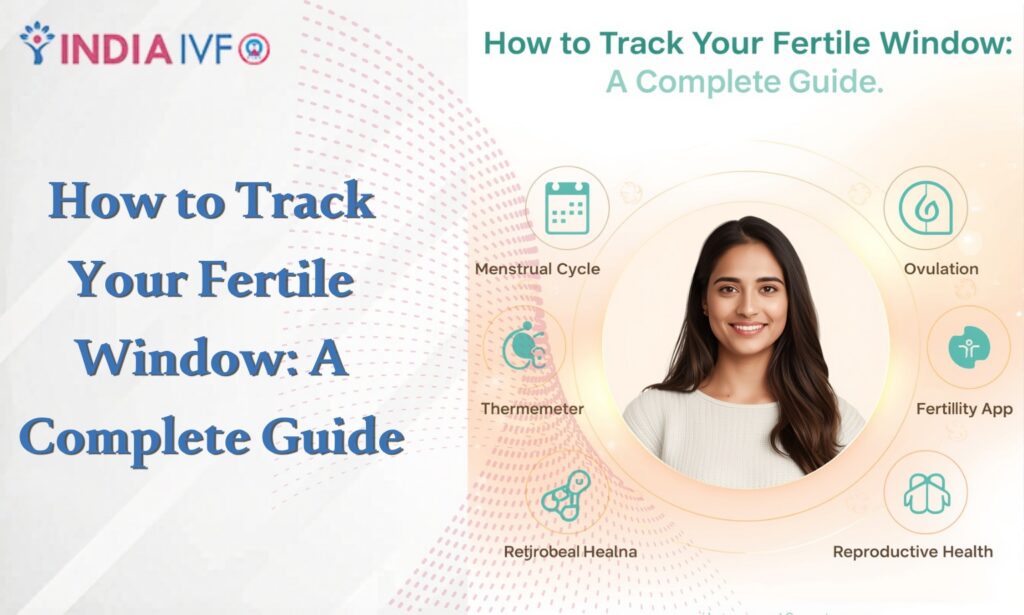
If you are trying to grow your family, understanding your fertile window is the most important piece of the puzzle. Many couples believe that they can get pregnant at any time of the month, but the reality is much more specific. There are only a few days in each menstrual cycle when pregnancy is actually possible.
In this guide, we will break down everything you need to know about your fertile window, how to track it using ovulation timing, and the best conception tips to help you succeed. Whether you are just starting your journey or have been trying for a while, this simple guide will make the process clear and stress-free.
What Exactly is a Fertile Window?
The fertile window refers to the days in a woman’s menstrual cycle when pregnancy is possible. This window typically lasts about six days. It includes the five days leading up to ovulation and the day of ovulation itself.
Why six days? This is because of how biological life works inside the body. A woman’s egg only lives for about 12 to 24 hours after it is released. However, sperm can live inside the female reproductive tract for up to five days. Therefore, if you have intercourse a few days before you ovulate, the sperm is already there waiting for the egg.
Understanding your fertile window is all about timing. If you miss this short window, you have to wait until next month to try again.
The Importance of Ovulation Timing
To find your fertile window, you must master ovulation timing. Ovulation is the process where a mature egg is released from the ovary. For a woman with a regular 28-day cycle, ovulation usually happens around day 14.
However, every woman is different. Some have 24-day cycles, while others have 35-day cycles. This is why you cannot just rely on a generic calendar. You need to track your own body’s signals to identify your specific fertile window. By focusing on ovulation timing, you ensure that sperm is present in the fallopian tubes at the exact moment the egg is released.
Monitoring Your Basal Body Temperature
One of the most scientifically proven ways to track your fertile window is by measuring your basal body temperature (BBT).
What is Basal Body Temperature?
Your basal body temperature is your body’s temperature when you are at complete rest. To get an accurate reading, you must take your temperature the moment you wake up, before you get out of bed, talk, or even drink water.
How it Helps Track Your Fertile Window
Before ovulation, your temperature is usually lower. After you ovulate, your body releases the hormone progesterone, which causes your temperature to rise slightly (usually by about 0.5 to 1 degree Fahrenheit).
By tracking your basal body temperature every day on a chart, you will notice a “shift.” While the temperature rise tells you that ovulation has already happened, tracking it over several months helps you predict your fertile window for future cycles. It confirms that you are actually ovulating.
Checking Your Cervical Mucus
Your body provides a physical sign of your fertile window through changes in your cervical mucus. This is the fluid produced by the cervix.
Changes Throughout the Month
As you approach your fertile window, your estrogen levels rise. This changes the consistency of your cervical mucus to make it “sperm-friendly.”
- After your period: You may feel dry or have very little discharge.
- Approaching ovulation: The fluid becomes sticky or creamy.
- During the fertile window: The mucus becomes clear, slippery, and stretchy—very similar to raw egg whites. This is often called Egg White Cervical Mucus (EWCM).
The “egg-white” stage is the most fertile time. This type of mucus protects the sperm and helps it swim toward the egg. If you see this, you are in your peak fertile window.
Using Ovulation Predictor Kits (OPKs)
If you want a more “high-tech” way to find your fertile window, you can use Ovulation Predictor Kits. These are similar to pregnancy tests but instead of testing for pregnancy, they test for a hormone called Luteinizing Hormone (LH).
About 24 to 36 hours before you ovulate, your body experiences an “LH surge.” When the kit shows a positive result, it means you are about to enter your most active fertile window. This is the best time to have intercourse if you are following our conception tips.
Best Conception Tips for Success
Tracking your fertile window is half the battle. The other half is making sure you are giving your body the best chance to conceive. Here are some essential conception tips:
- Have Regular Intercourse: You don’t need to wait only for the day of ovulation. Having sex every 1-2 days during your fertile window ensures a constant supply of healthy sperm.
- Maintain a Healthy Weight: Being significantly underweight or overweight can affect ovulation timing and hormone production.
- Limit Caffeine and Alcohol: High levels of caffeine and alcohol can sometimes interfere with fertility.
- Take Prenatal Vitamins: Start taking folic acid even before you get pregnant. It helps in the healthy development of the baby’s neural tube.
- Reduce Stress: High stress can actually delay ovulation, making your fertile window harder to predict.
- Don’t Smoke: Smoking can age your ovaries and deplete your eggs prematurely.
How to Calculate Your Cycle Length
To accurately find your fertile window, you need to know how long your cycle is.
- Day 1: The first day of your period (actual red flow, not spotting).
- The Last Day: The day before your next period starts.
If you count the days from Day 1 of one period to Day 1 of the next, that is your cycle length. If your cycle is 28 days, your fertile window is likely between Day 10 and Day 15. If your cycle is irregular, using basal body temperature and cervical mucus tracking becomes even more important.
Understanding the Role of Hormones in Your Fertile Window
Two main hormones control your fertile window: Estrogen and Progesterone.
In the first half of your cycle, Estrogen builds up. It thickens the lining of your uterus and changes your cervical mucus. Once Estrogen reaches a certain level, it triggers the LH surge, which causes the egg to drop.
In the second half of your cycle (after the fertile window has closed), Progesterone takes over. It stabilizes the uterine lining. If the egg is not fertilized, progesterone levels drop, and that is when you get your period. Understanding these hormones helps you realize why ovulation timing is so specific.
The Utility and Risks of Tracking Your Fertile Window
Before you start tracking, it is important to understand the “Utility” (benefits) and the “Risks” involved.
The Utility (Benefits):
-
Increased Pregnancy Chances: By knowing your fertile window, you can time intercourse for maximum success.
-
Health Awareness: You will learn how your hormones affect your mood, skin, and energy.
-
Early Detection: Tracking can help you identify if your cycles are irregular, which might indicate a need to see a doctor.
The Risks (Cautions):
-
Stress and Anxiety: Obsessing over the fertile window can cause stress, which sometimes interferes with ovulation.
-
Human Error: If you miscalculate your basal body temperature or misread a test, you might miss the window.
-
Not a Contraceptive: Unless you are an expert, using this to avoid pregnancy is risky and can lead to unplanned results.
Common Signs That You Are Ovulating
Besides tracking your basal body temperature, your body might give you other subtle clues that you are in your fertile window:
- Mild Pelvic Pain: Some women feel a slight twinge or cramp on one side of the lower abdomen when the egg is released. This is called Mittelschmerz.
- Breast Tenderness: Hormonal shifts can make your breasts feel sensitive.
- Increased Libido: Many women feel an increase in sex drive during their most fertile window.
- Light Spotting: A tiny bit of pink or brown spotting can happen when the follicle ruptures.
Myths About the Fertile Window
There are many misconceptions about the fertile window that can lead to confusion. Let’s clear some up:
- Myth: You always ovulate on Day 14.
- Fact: This only happens if you have a perfect 28-day cycle. Many women ovulate earlier or later.
- Myth: You can’t get pregnant if you have sex during your period.
- Fact: If you have a very short cycle, your fertile window might start right after your period ends. Since sperm lives for 5 days, it’s possible (though rare) to conceive.
- Myth: Tracking is only for people having trouble conceiving.
- Fact: Tracking your fertile window is helpful for everyone. It helps you understand your health and increases the speed at which you can get pregnant.
Using Technology to Help
In today’s world, you don’t have to do all the math yourself. There are many apps designed to help you track your fertile window. You can input your basal body temperature and observations about cervical mucus into these apps, and they will use algorithms to predict your ovulation timing.
However, remember that an app is just a tool. It doesn’t know what is happening inside your body as well as you do. Always combine app data with your physical signs.
Comparison of Tracking Tools (Cost & Tool Schema)
Not all tracking methods are the same. Some are free, while some cost money. Here is a comparison table to help you choose the right tool for tracking your fertile window.
| Method/Tool | Estimated Cost | Accuracy | Ease of Use |
| Calendar Method | Free | Low | Very Easy |
| Cervical Mucus | Free | High | Medium (Requires learning) |
| BBT Thermometer | ₹940 – ₹1,880 | High | Requires Discipline |
| Ovulation Kits (OPKs) | ₹1,410 – ₹4,700/month | Very High | Easy |
| Fertility Apps | Free – ₹87,542.20/month | Medium | Easy |
| Wearable Sensors | ₹14,100 – ₹28,200 | Very High | Very Easy |
When to See a Doctor
Tracking your fertile window is usually enough for most couples. However, you should consult a doctor if:
- You are under 35 and have been trying for a year.
- You are over 35 and have been trying for six months.
- You have irregular periods (which makes ovulation timing very difficult).
- You have a history of PCOS or Endometriosis.
A doctor can provide more advanced conception tips and run tests to ensure your hormones are balanced.
Summary of Tracking Your Fertile Window
To summarize, finding your fertile window involves three main steps:
- Watch your cycle: Record the length of your cycle for 3-6 months.
- Observe your body: Look for “egg-white” cervical mucus and track your basal body temperature.
- Confirm with tests: Use ovulation kits to find your LH surge.
By combining these methods, you will have a very clear picture of your ovulation timing. This knowledge removes the guesswork and allows you to focus on the days that matter most.
Conclusion:
The journey to conception is different for everyone. For some, identifying the fertile window leads to pregnancy in the first month. For others, it takes time. The key is consistency. Tracking your basal body temperature and cervical mucus daily might feel like a chore at first, but it provides invaluable data about your reproductive health. Use these conception tips to stay healthy and positive. Remember, your fertile window is a small but powerful opportunity each month. By understanding your body and timing things right, you are taking the best possible step toward bringing a new life into the world.