How Ovarian Cyst is Formed: Understanding the Basics
Ever wondered how an ovarian cyst is formed? You’re not alone. Ovarian cysts are pretty common, but understanding how they develop can help you know what to expect and when to seek medical advice. Let’s dive into the basics in a way that’s easy to understand—no medical degree required!
What is an Ovarian Cyst?
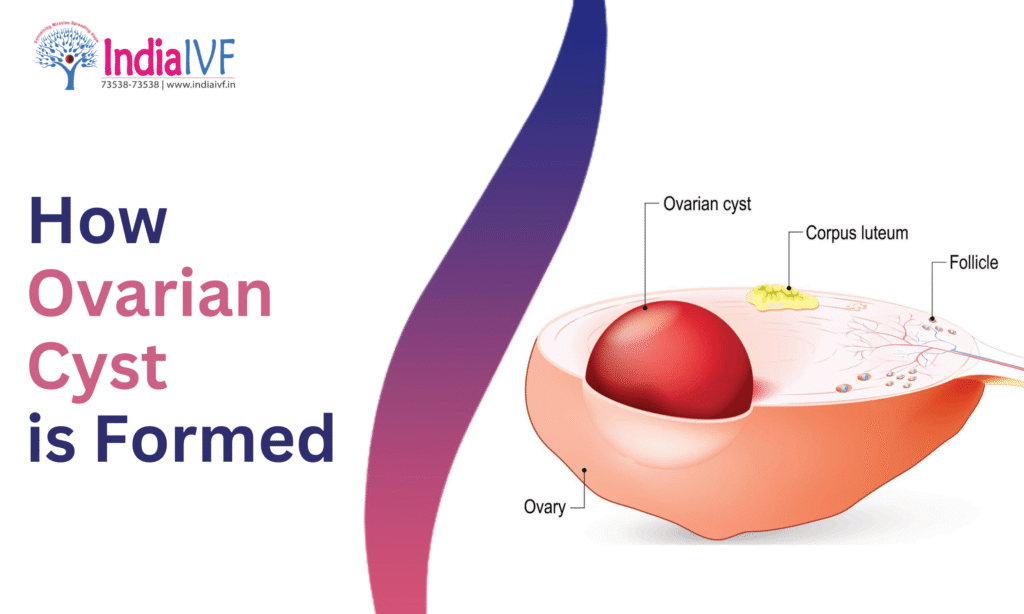
First things first, what exactly is an ovarian cyst? An ovarian cyst is a fluid-filled sac that forms on or inside a woman’s ovary. These cysts are often harmless and can go away on their own without causing any symptoms. However, some cysts can grow large or cause problems, so it’s essential to know how they’re formed.
How Ovarian Cyst is Formed
So, how does an ovarian cyst actually form? The process depends on the type of cyst. Let’s break it down:
Functional Cysts and Their Formation
The most common types of ovarian cysts are called functional cysts. These develop as a part of your menstrual cycle. Here’s how they form:
1. Follicular Cysts: During a normal menstrual cycle, an ovary releases an egg in a process called ovulation. This egg grows inside a tiny sac known as a follicle. Usually, the follicle breaks open to release the egg. But sometimes, the follicle doesn’t break open and continues to grow, forming a follicular cyst.
2. Corpus Luteum Cysts: After the egg is released, the empty follicle sac typically shrinks and disappears. However, if the sac doesn’t shrink and instead fills with fluid, it becomes a corpus luteum cyst.
Pathological Cysts and Their Causes
Pathological cysts are less common but can be more serious. These cysts are caused by abnormal cell growth and aren’t related to the menstrual cycle. Here are a few examples:
- Dermoid Cysts: These form from cells that produce eggs and can contain different types of tissues like hair, skin, or teeth. They’re typically benign but can grow large and cause discomfort.
- Endometriomas: These cysts are associated with endometriosis, a condition where the tissue that normally lines the inside of the uterus grows outside of it, often affecting the ovaries. This can lead to the formation of cysts filled with blood.
- Cystadenomas: These are filled with watery or mucous material and can grow on the surface of an ovary. They’re usually benign but can become quite large.
Factors That Influence Ovarian Cyst Formation
Several factors can influence whether or not you’ll develop an ovarian cyst. Some of the most common include:
- Hormonal Imbalances: If your hormones are out of balance, it can affect your ovulation and lead to cyst formation.
- Pregnancy: Sometimes, a cyst forms early in pregnancy to support the pregnancy until the placenta forms.
- Endometriosis: Women with endometriosis are more likely to develop cysts.
- Previous Ovarian Cysts: If you’ve had an ovarian cyst before, you’re more likely to get another one.
- Infections in the Pelvic Area: Severe infections can cause cysts to form.
Understanding these factors can help you take steps to monitor your health and seek advice from your healthcare provider if needed.
Conclusion
So, now you know how ovarian cysts are formed and what factors can influence their development. While most ovarian cysts are harmless, understanding how they form can help you stay informed and proactive about your health. If you ever experience symptoms or have concerns, don’t hesitate to reach out to a healthcare professional. Regular check-ups and staying aware of your body’s changes are key to maintaining your well-being. Stay healthy!