Introduction
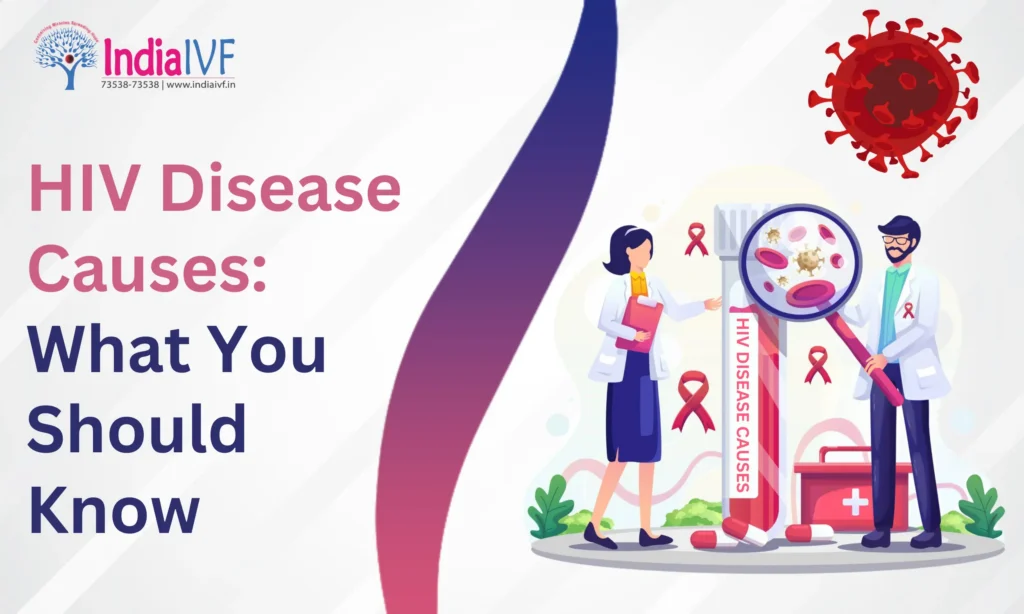
Let’s get straight to the point—HIV disease causes can be a confusing topic, but it’s super important to understand how this virus spreads so that you can protect yourself and others. HIV (Human Immunodeficiency Virus) is a virus that attacks your immune system and can lead to AIDS if untreated. But the good news? Knowing how it’s caused and how it spreads can make all the difference.
Ready to dive in? Let’s get into the basics without beating around the bush!
What Causes HIV Disease?
When we talk about HIV disease causes, we’re really talking about how the virus spreads from one person to another. HIV doesn’t just appear out of nowhere—it’s passed through specific body fluids. Here’s a quick breakdown of how that happens:
Main Causes of HIV:
1. Unprotected Sex (without a condom) – HIV can pass through blood, semen, vaginal fluids, and rectal fluids. Having unprotected sex is one of the most common ways the virus spreads.
2. Sharing Needles – If someone uses a needle that has been in contact with HIV-infected blood, the virus can easily transfer.
3. Blood Transfusions (although very rare now) – In the past, some people got HIV from infected blood transfusions, but today, blood is carefully tested before it’s given to anyone.
4. Mother to Child – A mother with HIV can pass it to her baby during pregnancy, childbirth, or breastfeeding.
Important: You cannot get HIV from casual contact like hugging, kissing, or sharing food and drinks. It doesn’t spread through the air or water either.
How HIV Spreads: A Deeper Look
Now that you know the causes of HIV disease, let’s look a little deeper into how it spreads.
1. Unprotected Sex
This is the most common cause of HIV. When you engage in vaginal, anal, or oral sex without protection, the virus can enter your body through cuts, sores, or direct contact with mucous membranes. The higher the number of sexual partners, the higher the risk, especially if you or your partner are unaware of your HIV status.
2. Sharing Needles or Syringes
Sharing needles for drug use, tattoos, or any other reason is incredibly risky. Even small amounts of infected blood can transmit the virus. Always use clean, new needles to avoid this.
3. Mother to Child Transmission
This can happen during childbirth or breastfeeding. However, if the mother is on effective HIV treatment, the chances of passing the virus to the baby are greatly reduced.
4. Rare Causes: Blood Products or Organ Transplants
Thanks to modern screening, this is rare today, but it can still happen. The blood supply in most countries is rigorously tested, but in some places with fewer resources, there may still be a risk.
How to Avoid HIV: Simple Steps
Protecting yourself from HIV isn’t complicated. By following a few key steps, you can significantly reduce your risk:
- Use Condoms during every sexual encounter.
- Don’t Share Needles—always use a clean one.
- Get Tested regularly if you’re at risk.
- Ask Your Doctor About PrEP—a medication that reduces the risk of HIV infection.
Conclusion
Understanding HIV disease causes is key to preventing the spread of the virus. By knowing how it’s transmitted—through unprotected sex, sharing needles, and from mother to child—you can take the steps necessary to protect yourself. Stay informed, stay safe, and remember that HIV isn’t something you can get from everyday contact, so don’t fall for the myths!
Take charge of your health and get tested if you think you’re at risk.