Key differences between Fresh and Frozen Embryo Transfers
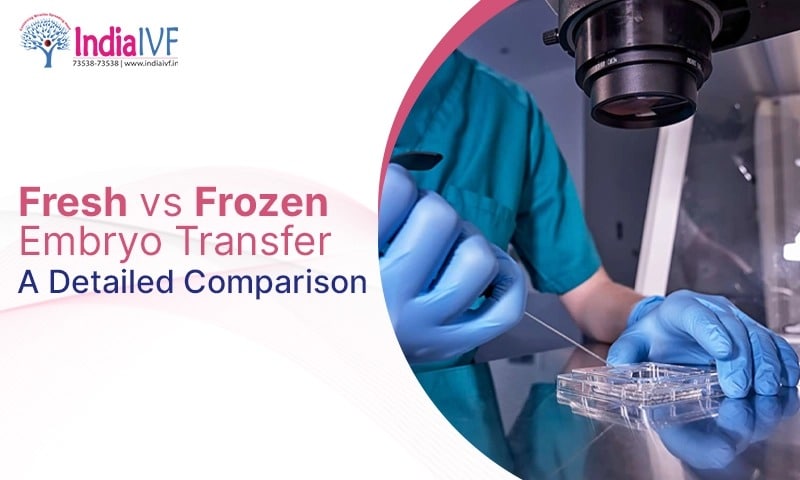
Embryo transfers can broadly be categorized into two types: fresh and frozen.
- Fresh Embryo Transfer: This is when a fertilized embryo is transferred into the woman’s uterus in the same IVF cycle in which the eggs were retrieved and fertilized.
- Frozen Embryo Transfer: In this case, the embryos are frozen post-fertilization and stored for transfer in a later IVF cycle.
Fresh vs Frozen Embryo Transfer: Understanding the Pros and Cons
Fresh Embryo Transfer
Pros
- Fewer steps involved as compared to frozen transfer
- Natural synchronization of the embryo development with the woman’s cycle
Cons
- Higher levels of hormones due to ovarian stimulation may negatively impact the uterus lining
- Limited window of opportunity for transfer
Frozen Embryo Transfer
Pros
- Flexibility in timing of the transfer
- Allows recovery from the egg retrieval procedure before embryo transfer
- Allows for preimplantation genetic testing if desired
Cons
- Requires the process of freezing and thawing, which can potentially harm the embryos (though modern techniques have significantly reduced this risk)
Also Read: 13 Days After Embryo Transfer No Symptoms
IVF Success Rates for Fresh vs Frozen Embryo Transfer
There’s been a shift in preference towards frozen embryo transfers in recent years, largely due to emerging data suggesting potentially higher success rates with frozen embryos.
Fresh vs Frozen Blastocyst Transfer
Blastocysts are embryos that have developed for five to six days post-fertilization. Transferring blastocysts, whether fresh or frozen, often leads to higher success rates compared to transferring younger embryos, as they are closer to the stage at which implantation naturally occurs in the body.
Why Is Frozen Embryo Transfer Better?
Several studies suggest that frozen embryo transfers may have several advantages over fresh transfers, including a lower risk of preterm labor and higher birth weights. Additionally, frozen transfer cycles allow the body to recover from ovarian stimulation, potentially leading to a more favorable environment for implantation.
Fresh vs Frozen Embryo Transfer Statistics
In a review of multiple studies, it was found that live birth rates were slightly higher in frozen embryo transfers compared to fresh ones. This suggests that frozen embryo transfers may indeed offer a slight advantage in terms of successful pregnancy outcomes.
Conclusion
Navigating the complex world of IVF treatments can be challenging, but equipped with knowledge and guided by a trusted healthcare professional, you can make informed decisions that best suit your circumstances. Whether you opt for a fresh or frozen embryo transfer, remember that each journey to parenthood is unique.
While statistics offer helpful insights, it’s essential to discuss your specific situation and options with your fertility specialist. At India IVF Fertility, we are committed to providing comprehensive, individualized care to assist you on your path to parenthood.