Introduction
A fibroid uterus is a medical condition characterized by the growth of non-cancerous tumors in the muscular walls of the uterus. These growths, called fibroids or leiomyomas, can vary greatly in size and number. They are one of the most common types of growths found in the female reproductive system.
Understanding Fibroid Uterus
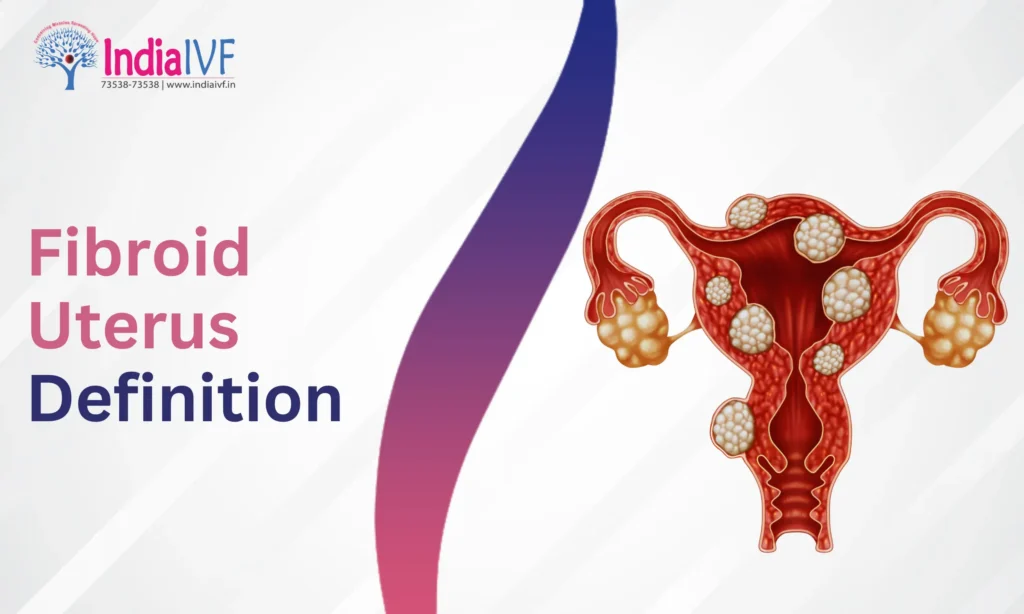
A fibroid uterus specifically refers to the uterus that contains one or more fibroids. These fibroids are composed of muscle cells and other tissues that grow within and around the walls of the uterus. While the exact cause of fibroid development is still unknown, factors like hormones (estrogen and progesterone) and genetics are believed to play significant roles.
Types of Uterine Fibroids
Fibroids can be classified based on their location in the uterus:
- Intramural Fibroids: Located within the muscular wall of the uterus.
- Subserosal Fibroids: Found on the outer surface of the uterus.
- Submucosal Fibroids: Located just beneath the lining of the uterine cavity.
- Pedunculated Fibroids: Attached to the uterus by a thin stalk.
Symptoms of a Fibroid Uterus
A fibroid uterus can lead to various symptoms, depending on the size, number, and location of the fibroids. Common symptoms include:
- Heavy menstrual bleeding
- Pelvic pain or pressure
- Frequent urination
- Difficulty emptying the bladder
- Constipation
- Backache or leg pains
Conclusion
A fibroid uterus is a condition where non-cancerous tumors develop within the uterus. Understanding this condition is crucial for managing symptoms and maintaining reproductive health. If you suspect you have fibroids, it’s essential to consult a healthcare provider for proper diagnosis and treatment options.