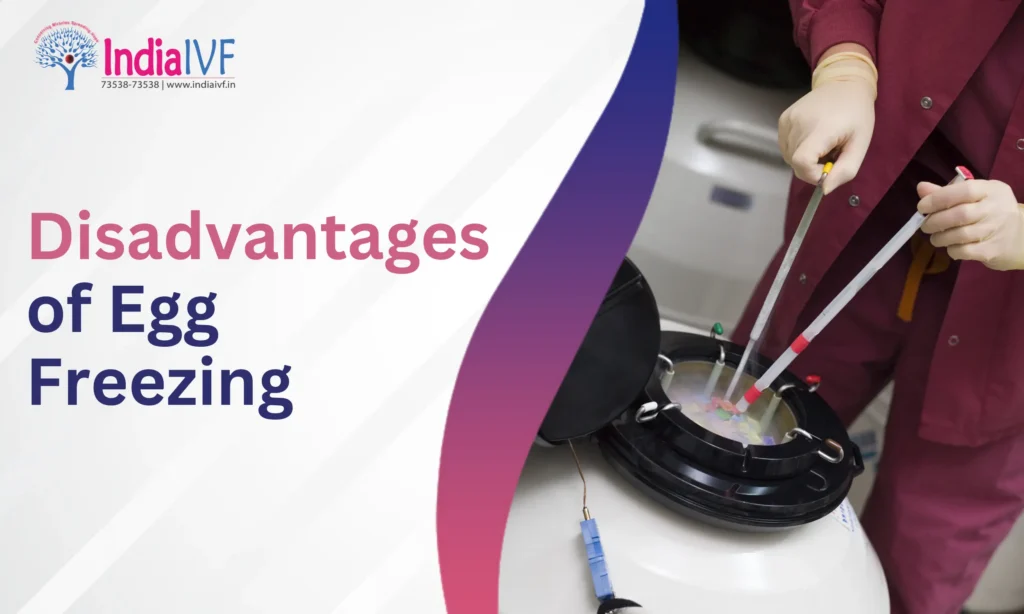
Egg freezing, also known as oocyte cryopreservation, has gained popularity as a means for women to preserve their fertility. However, like any medical procedure, it has its downsides. At India IVF Fertility, we believe in providing comprehensive information to help you make an informed decision. Here, we’ll delve into the disadvantages of egg freezing, offering insights and expert advice.
Key Points to Consider:
- Health Risks and Side Effects
- Emotional and Psychological Impact
- Cost Implications
- Success Rates and Uncertainties
- Time and Commitment Required
- Ethical and Legal Considerations
Health Risks and Side Effects
One of the primary concerns with egg freezing is the potential health risks involved. The procedure requires hormone stimulation to produce multiple eggs, which can lead to:
1. Ovarian Hyperstimulation Syndrome (OHSS): This condition can cause swollen and painful ovaries.
2. Infection: Any invasive procedure carries a risk of infection.
3. Bleeding: There may be a risk of bleeding during the egg retrieval process.
These health risks need to be carefully weighed before deciding on egg freezing.
Emotional and Psychological Impact
The decision to freeze your eggs can be emotionally taxing. Women might experience stress and anxiety about the procedure’s success and future fertility outcomes. It’s crucial to have a robust support system and counseling services to navigate these emotions.
Cost Implications
Egg freezing can be an expensive endeavor. Here’s a breakdown of the typical costs involved:
| Service | Average Cost (INR) |
|---|---|
| Initial Consultation | 5,000 – 10,000 |
| Hormonal Stimulation | 50,000 – 100,000 |
| Egg Retrieval | 80,000 – 150,000 |
| Storage Fees | 10,000 – 20,000/year |
Considering these costs, it’s essential to evaluate your financial readiness for such an investment.
Success Rates and Uncertainties
The success of egg freezing is not guaranteed. Factors affecting success rates include the woman’s age at the time of freezing and the number of eggs retrieved and successfully thawed. There’s also no certainty that the frozen eggs will result in a successful pregnancy later.
Time and Commitment Required
The process of egg freezing is time-intensive. It involves several weeks of hormone injections, regular monitoring through ultrasounds, and the actual egg retrieval procedure. This commitment can be demanding and requires meticulous planning.
Ethical and Legal Considerations
There are ethical and legal aspects to consider when freezing eggs. Questions about the future use of frozen eggs, legal rights over the eggs, and the implications of using them in different jurisdictions need thorough contemplation.
Conclusion
Egg freezing presents an opportunity for women to take control of their reproductive futures. However, it’s essential to consider the disadvantages carefully. At India IVF Fertility, we’re committed to providing you with all the information you need to make an informed decision. If you have any questions or need personalized advice, don’t hesitate to reach out to us.
For more detailed information, visit our [official website](https://www.indiaivf.in).