Introduction
If you’re dealing with fertility issues, you might’ve heard the term “DNA fragmentation” thrown around. But what does it really mean, and more importantly, can ICSI (Intracytoplasmic Sperm Injection) overcome DNA fragmentation? Let’s dive into this topic, shedding light on how ICSI can help couples struggling with male infertility due to DNA fragmentation in sperm.
Understanding DNA Fragmentation in Sperm
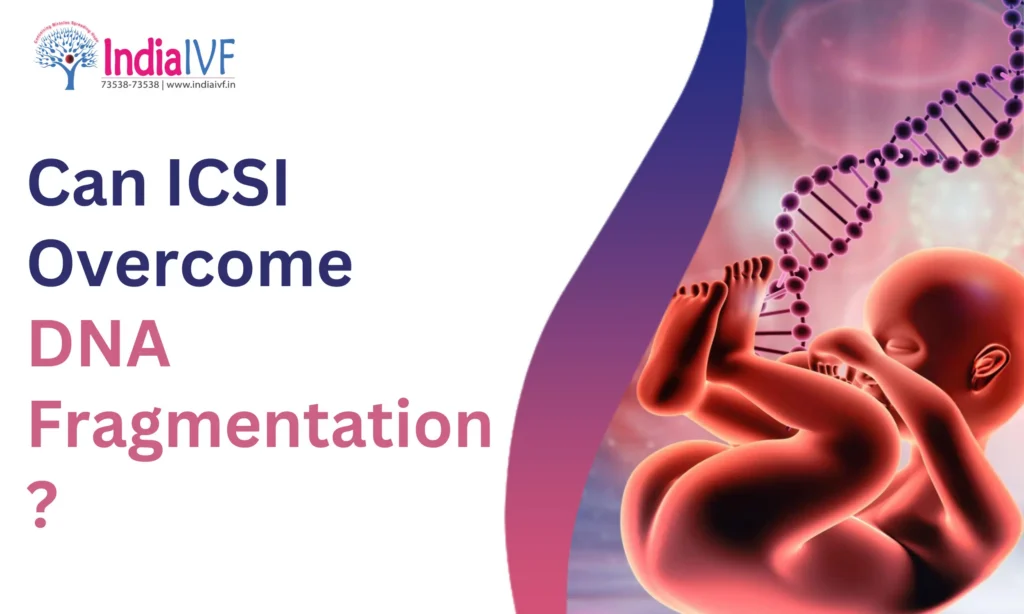
DNA fragmentation in sperm refers to the presence of breaks or damage in the DNA strands within the sperm cell. This can significantly impact male fertility, leading to difficulties in achieving a successful pregnancy. But why does this matter?
- High DNA fragmentation is linked to poor embryo development.
- Increased risk of miscarriage can occur due to damaged sperm DNA.
- Unsuccessful fertilization may result from severe fragmentation.
DNA fragmentation can happen due to various reasons, such as oxidative stress, lifestyle factors, infections, or even aging. It’s a challenge many couples face, but there’s hope with advanced reproductive techniques like ICSI.
How ICSI Works in Addressing DNA Fragmentation
So, can ICSI overcome DNA fragmentation? The short answer is yes, and here’s how.
ICSI involves directly injecting a single sperm into an egg, which increases the chances of successful fertilization, even if the sperm has DNA fragmentation. The key advantages of ICSI in this context are:
1. Targeted Sperm Selection: During ICSI, embryologists can select the most motile and morphologically normal sperm, potentially reducing the impact of DNA fragmentation.
2. Bypassing Natural Barriers: ICSI bypasses the natural barriers to fertilization, which might be compromised by DNA fragmentation, ensuring the sperm’s DNA reaches the egg.
3. Improved Fertilization Rates: Studies have shown that ICSI can significantly improve fertilization and pregnancy rates, even in cases of high DNA fragmentation.
Benefits of ICSI for Overcoming DNA Fragmentation
Now, let’s talk about why ICSI might be the go-to solution for couples facing DNA fragmentation issues.
- Higher Fertilization Rates: By directly injecting sperm into the egg, ICSI ensures that even sperm with DNA fragmentation can fertilize the egg.
- Reduced Risk of Miscarriage: ICSI can help in selecting healthier sperm, lowering the chances of miscarriage linked to fragmented DNA.
- Better Embryo Quality: Healthier sperm leads to better-quality embryos, increasing the chances of a successful pregnancy.
When to Consider ICSI for DNA Fragmentation
Thinking about ICSI? Here are some scenarios where it might be the right choice:
- Repeated IVF Failures: If you’ve undergone multiple unsuccessful IVF cycles, DNA fragmentation could be the culprit, and ICSI might help.
- Unexplained Male Infertility: Sometimes, the cause of infertility isn’t obvious. DNA fragmentation tests can reveal underlying issues that ICSI can address.
- High DNA Fragmentation Index (DFI): If testing shows a high DFI, ICSI could be the solution to achieve fertilization and healthy embryo development.
Conclusion
In conclusion, ICSI is a powerful technique that can effectively overcome DNA fragmentation, giving hope to many couples struggling with infertility. By directly injecting a carefully selected sperm into the egg, ICSI bypasses the challenges posed by DNA fragmentation, improving the chances of successful fertilization and a healthy pregnancy.