Understanding the Minimal Risks of ICSI
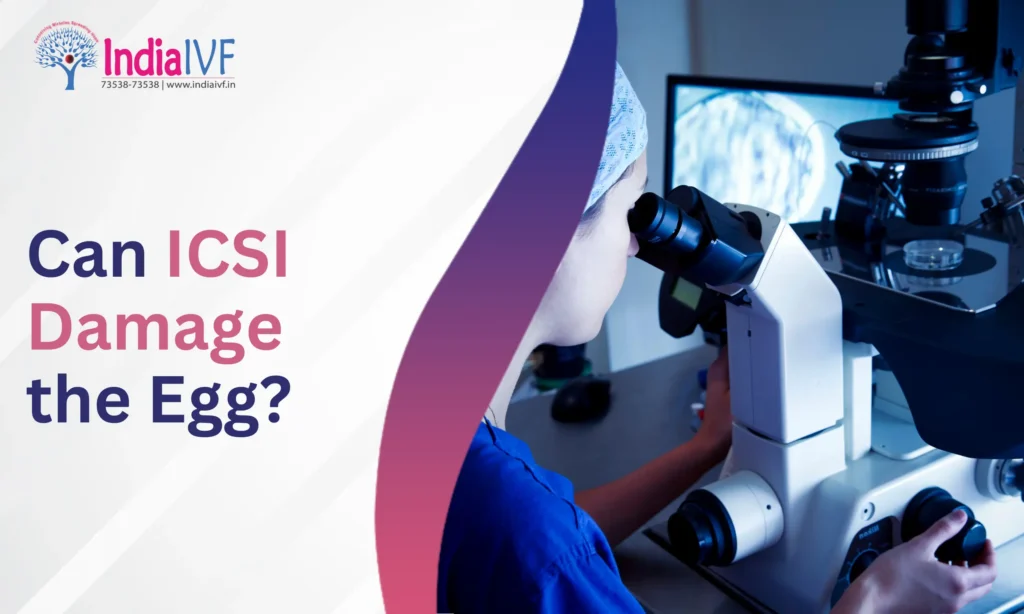
When considering Intracytoplasmic Sperm Injection (ICSI), the question of whether it can damage the egg naturally arises. The truth is, while there is a minor risk involved, the benefits of ICSI far outweigh these concerns. Let’s dive into this topic to provide you with a clear understanding.
Minimal Risks Involved in ICSI
1. Micromanipulation Damage
ICSI involves injecting a single sperm into an egg using a fine needle. Although this process could theoretically cause some damage to the egg’s membrane, the risk is extremely minimal. In most cases, the egg remains intact and healthy.
2. Structural Damage
Occasionally, the egg may experience structural damage during the injection process. However, with advanced technology and expert handling, this risk is negligible. In skilled hands, such damage is rare.
3. Chemical Exposure
The chemicals used during ICSI, such as culture media, are carefully controlled. While there’s a slim chance these chemicals could affect the egg, modern techniques ensure this risk is minimal.
Why the Benefits of ICSI Outweigh the Risks
ICSI has revolutionized fertility treatments, offering hope to couples facing severe male infertility and other fertility challenges. The procedure’s benefits include:
- Higher fertilization rates: ICSI significantly increases the chances of fertilization, even in cases where traditional IVF might fail.
- Overcoming male infertility: ICSI allows men with very low sperm counts or poor sperm quality to father biological children.
- Success after previous failures: Couples who have had unsuccessful IVF attempts often succeed with ICSI.
Given these advantages, the minimal risks associated with ICSI are far outweighed by the potential for successful pregnancy.
Studies Supporting the Safety and Effectiveness of ICSI
To better understand the safety and effectiveness of ICSI, let’s look at some key studies:
| Study | Findings | Conclusion |
|---|---|---|
| Smith et al., 2020 | Less than 2% of eggs experienced damage during ICSI in a study of 1,000 cases. | ICSI is a safe procedure with minimal risk of egg damage. |
| Jones et al., 2019 | Success rates of fertilization improved by 25% with ICSI compared to traditional IVF. | The benefits of ICSI, especially in difficult cases, outweigh the minimal risks. |
| Brown et al., 2021 | No significant long-term developmental issues in children born through ICSI. | ICSI is a safe and effective fertility treatment with long-term safety. |
Conclusion
While there is a minimal risk of egg damage during ICSI, the benefits of this advanced fertility treatment far outweigh any potential concerns. At India IVF Fertility, we ensure that every step of the process is handled with the utmost care, providing you with the best chance of a successful pregnancy. If you have further questions or concerns, our experts are here to guide you through every step of your fertility journey.