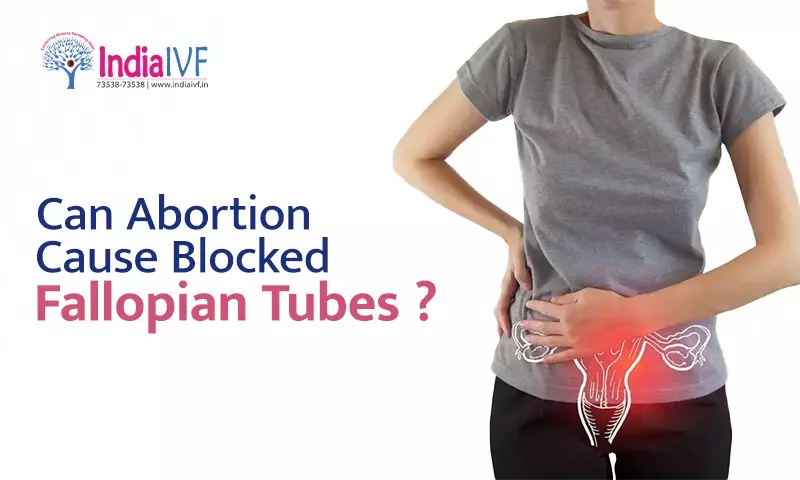
Yes, abortion can potentially lead to blocked fallopian tubes, though it’s relatively rare. This complication can occur due to infection or scarring following the procedure.
The risk is higher in cases of unsafe or improperly performed abortions, which can lead to conditions such as Pelvic Inflammatory Disease (PID). PID is one of the leading causes of fallopian tube blockage.
It’s important to note that when performed safely and under proper medical supervision, the risk of such complications is significantly reduced.
How Can Abortion Cause Blocked Fallopian Tubes?
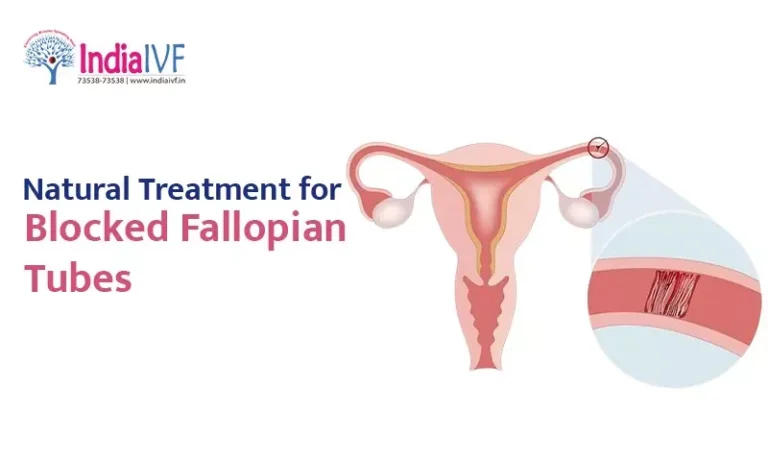
Abortion can cause blocked fallopian tubes primarily through the development of an infection. During the procedure, bacteria can be introduced into the uterus and fallopian tubes, leading to an infection.
If this infection is not treated promptly, it can result in scarring and blockages in the tubes. Additionally, surgical abortions, particularly if not performed correctly, can lead to direct physical trauma to the fallopian tubes, causing scar tissue formation.
Read Also: Can Fallopian Tubes Be Blocked After First Pregnancy?
What are the Symptoms of Blocked Fallopian Tubes, and How Is It Diagnosed?
The symptoms of blocked fallopian tubes often go unnoticed until a woman experiences difficulty conceiving. Some may experience abdominal pain or unusual vaginal discharge if the blockage is due to an infection.
Diagnosis typically involves a review of the patient’s medical history, followed by tests such as a hysterosalpingogram (HSG), which involves an X-ray of the fallopian tubes, or a laparoscopy, a minimally invasive surgery to directly view the tubes.
What Treatment Options are Available for Women with Blocked Fallopian Tubes Caused by Abortion?
Treatment depends on the severity and location of the blockage. Options include:
- Laparoscopic Surgery: To remove the blockage or scar tissue.
- Tubal Cannulation: A non-surgical procedure to open the fallopian tubes.
- Fertility Treatments: Like In Vitro Fertilization (IVF), especially in cases where surgery is not feasible or successful.
- Antibiotics: If an infection is present, antibiotics may be prescribed to clear it.
Are There Any Ways to Prevent This from Happening in the First Place?
To reduce the risk of blocked fallopian tubes due to abortion:
- Safe Abortion Practices: Ensure the abortion is performed by a qualified doctor in a sterile environment.
- Prompt Treatment of Infections: Seek immediate medical attention for any signs of infection post-abortion.
- Regular Medical Check-Ups: Regular gynecological exams can help in early detection and prevention of PID and other complications.
- Educational Awareness: Being informed about safe sexual practices and reproductive health can significantly reduce risks associated with abortions.
Conclusion
In conclusion, while abortion is a common medical procedure, it carries the potential risk of leading to blocked fallopian tubes, primarily due to infection or scarring. However, it’s important to note that this risk is relatively low, especially when the abortion is performed safely and under proper medical supervision.
Get Treated: India IVF Fertility offers effective treatment for blocked fallopian tubes with advanced fertility techniques.