Introduction
The journey of in vitro fertilization (IVF) involves several critical stages, each playing a vital role in the success of the treatment. Among these, the blastocyst stage is particularly significant. Understanding what the blastocyst stage is in IVF, what blastocyst transfer entails, and why it matters can help couples make informed decisions about their fertility treatments. In this comprehensive guide, we’ll explore these topics in depth, providing answers to common questions and explaining the science behind this crucial stage.
What is Blastocyst Stage in IVF?
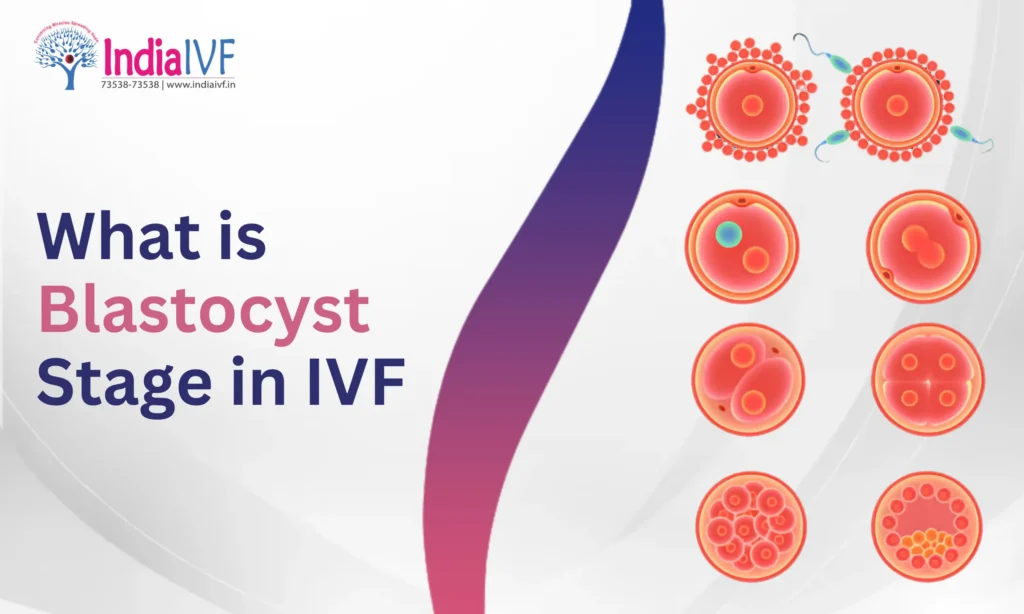
The blastocyst stage is a key phase in embryo development, typically occurring around five to six days after fertilization. At this stage, the embryo consists of approximately 200-300 cells and has differentiated into two distinct cell types: the inner cell mass (which will develop into the fetus) and the trophoblast (which will form the placenta).
What is Blastocyst Transfer?
Blastocyst transfer is the process of transferring a blastocyst-stage embryo into the uterus. This method is preferred because embryos at the blastocyst stage are more likely to implant successfully in the uterine lining, increasing the chances of a successful pregnancy.
The Importance of the Blastocyst Stage in IVF
1. Higher Success Rates: Blastocyst transfer has been shown to have higher implantation and pregnancy rates compared to earlier-stage embryo transfers.
2. Natural Selection: The development to the blastocyst stage allows for the natural selection of more viable embryos.
3. Synchronization with Uterine Environment: The timing of blastocyst transfer is more in sync with the natural environment of the uterus, enhancing the likelihood of implantation.
The Process of Blastocyst Transfer
1. Embryo Culture: Embryos are cultured in the lab for five to six days until they reach the blastocyst stage.
2. Selection: Viable blastocysts are selected based on their development and quality.
3. Transfer: The selected blastocyst is transferred into the uterus using a thin catheter.
4. Monitoring: Post-transfer, patients are monitored for signs of implantation and pregnancy.
Benefits of Blastocyst Transfer
- Improved Implantation Rates: Higher chance of implantation due to the advanced development of the embryo.
- Better Synchronization: More natural timing with the uterine environment.
- Reduced Multiple Pregnancy Risk: By transferring fewer embryos at the blastocyst stage, the risk of multiple pregnancies is reduced.
Conclusion
Understanding the blastocyst stage and its significance in IVF can greatly enhance the chances of a successful pregnancy. With higher implantation rates and better synchronization with the uterine environment, blastocyst transfer offers a promising option for many couples undergoing fertility treatment. For more detailed information and to explore your options, visit [www.indiaivf.in](https://www.indiaivf.in) and consult with our experienced medical team.