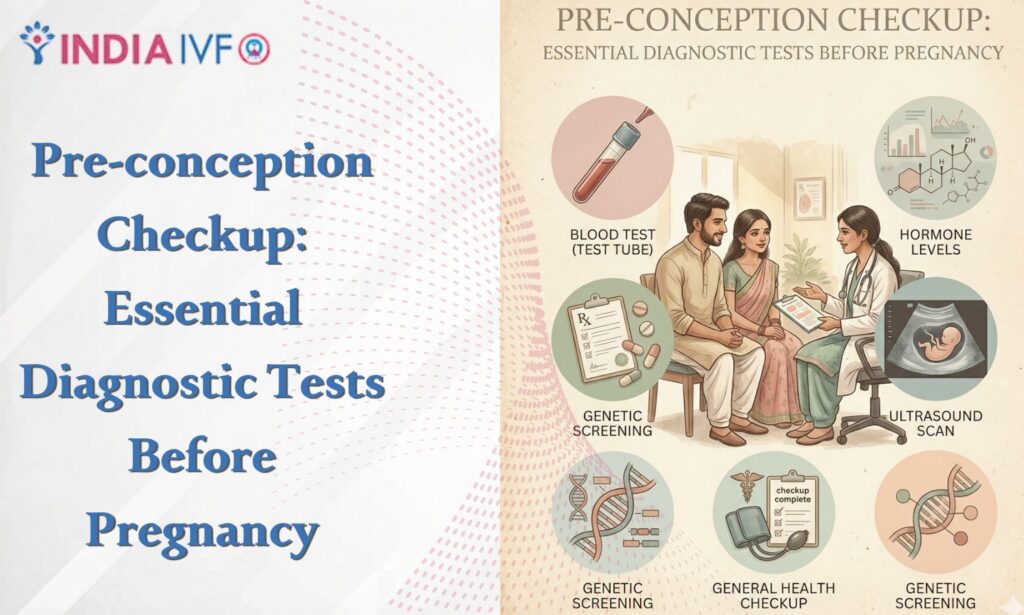
Planning to bring a new life into the world is one of the most exciting decisions a couple can make. However, a healthy pregnancy starts long before the positive pregnancy test. To ensure the best start for your baby and the best health for the mother, undergoing pre-conception tests is a vital step. These tests help identify potential health risks, nutritional deficiencies, or genetic conditions that could affect your pregnancy. By being proactive, you can take corrective measures early, ensuring a smoother nine-month journey and a healthy baby.
Why Pre-conception Tests are Essential for Your Journey
When you decide to start a family, your body becomes the environment in which your baby will grow. Just as a farmer prepares the soil before planting a seed, parents must prepare their health. Pre-conception tests are a set of clinical screenings and examinations that assess your current health status.
The primary goal of these tests is to identify any “hidden” issues that might cause complications like preterm birth, birth defects, or pregnancy-induced health problems for the mother. In this comprehensive guide, we will break down every essential test you should consider.
Routine Blood Work for Prenatal Health
The first step in any pre-conception checkup is a series of blood tests. These provide a snapshot of your overall prenatal health and help doctors understand how your body might react to the demands of pregnancy.
Complete Blood Count (CBC)
A CBC test checks for anemia (low iron). Anemia is very common in women and can cause extreme fatigue during pregnancy. If your iron levels are low, your doctor will suggest supplements and diet changes before you conceive.
Blood Group and Rh Factor
Knowing your blood group is standard, but the Rh factor (positive or negative) is critical. If a mother is Rh-negative and the baby is Rh-positive, it can lead to complications. Identifying this early allows doctors to prepare a treatment plan (usually a simple injection) to prevent issues.
Screening for Chronic Conditions
If you have underlying health conditions, they must be managed before you get pregnant. Pre-conception tests often include screenings for:
- Diabetes: High blood sugar levels during conception and early pregnancy can increase the risk of birth defects. Checking your HbA1c levels ensures your sugar is under control.
- Thyroid Function: The thyroid gland regulates hormones that are crucial for the baby’s brain development. An underactive or overactive thyroid can also lead to difficulties in conceiving.
- Blood Pressure: Managing hypertension before pregnancy reduces the risk of preeclampsia later on.
Genetic Screening: Understanding the Risks
One of the most advanced parts of modern medicine is genetic screening. This involves testing the parents’ DNA to see if they carry genes for certain hereditary conditions.
Even if you and your partner are perfectly healthy, you might be “carriers” of conditions like:
- Cystic Fibrosis
- Sickle Cell Anemia
- Thalassemia
- Tay-Sachs disease
If both parents carry the same recessive gene, there is a chance the baby could inherit the disorder. Genetic screening allows you to make informed decisions and explore options like IVF with embryo testing if necessary.
Know More: Best IVF Centre in Delhi
Fertility Assessment for Both Partners
Sometimes, the journey to pregnancy takes longer than expected. A fertility assessment can help identify any hurdles early on so you don’t waste time.
For Women:
- Ovulation Tracking: Ensuring that your ovaries are releasing eggs regularly.
- Hormone Profile: Testing levels of FSH (Follicle Stimulating Hormone) and AMH (Anti-Müllerian Hormone) to check your “ovarian reserve” or egg count.
- Pelvic Ultrasound: To check for fibroids, cysts, or any structural issues in the uterus.
For Men:
Fertility is not just a female concern. A semen analysis is a simple pre-conception test for men to check sperm count, shape, and movement. Improving lifestyle habits early can significantly improve sperm quality.
Checking for Infectious Diseases
Certain infections that might feel like a minor flu to an adult can be devastating to a developing fetus. Pre-conception tests include screening for:
- Rubella (German Measles): If you catch Rubella while pregnant, it can cause serious birth defects. If you aren’t immune, you can get vaccinated before you conceive.
- Hepatitis B and C: To prevent transmission to the baby.
- HIV and STIs: Screening for Syphilis, Chlamydia, and Gonorrhea is essential because these can lead to miscarriage or pelvic inflammatory disease if left untreated.
The Importance of Folic Acid and Nutrition
While not a “test” in the diagnostic sense, a nutritional assessment is a core part of the pre-conception visit. Your doctor will emphasize the importance of folic acid.
Folic acid is a B vitamin that is crucial for the development of the baby’s neural tube (which becomes the brain and spinal cord). Most doctors recommend starting a 400mcg folic acid supplement at least three months before you stop using birth control. This simple step reduces the risk of neural tube defects like spina bifida by up to 70%.
Additionally, checking your Vitamin D and Vitamin B12 levels is important, as these play a massive role in bone health and energy levels during pregnancy.
Mental Health and Lifestyle Evaluation
A healthy pregnancy is not just physical; it is emotional. During your pre-conception tests and consultation, talk to your doctor about:
- Stress and Anxiety: High stress can impact hormone balance and fertility.
- Weight Management: Being significantly underweight or overweight can lead to pregnancy complications like gestational diabetes.
- Medication Review: If you are taking medication for asthma, epilepsy, or depression, your doctor may need to switch you to “pregnancy-safe” versions.
Dental Checkup: The Surprising Connection
Many people are surprised to learn that dental health is part of a thorough pre-conception plan. Gum disease (periodontitis) has been linked to premature birth and low birth weight. It is much easier to have dental X-rays and procedures done before you are pregnant, as certain treatments are restricted during pregnancy.
Environmental and Occupational Hazards
As part of your pre-conception tests and history taking, your doctor will ask about your environment. Are you exposed to lead, mercury, or harsh chemicals at work? These toxins can affect both male and female fertility and can be harmful to a developing fetus. Identifying these risks early allows you to make necessary changes to your workspace or home environment.
Step-by-Step Checklist for Pre-conception Planning
To make things easier, here is a simple checklist you can follow:
- Schedule a Doctor’s Visit: Tell them specifically that you are planning to conceive.
- Request Pre-conception Tests: Ask for blood work, infection screening, and a pap smear.
- Discuss Genetic Screening: Review your family history with your partner and doctor.
- Start Folic Acid: Begin your supplements immediately.
- Check Immunizations: Ensure your shots for Rubella and Chickenpox are up to date.
- Quit Smoking and Alcohol: Both partners should stop these habits at least three months before trying.
- Monitor Your Cycle: Start tracking your periods to understand your fertile window.
The Risks of Skipping Pre-conception Tests
Ignoring pre-conception tests can lead to several avoidable risks. Without proper screening, a woman might enter pregnancy with undiagnosed conditions that could lead to:
-
Miscarriage or Stillbirth: Often caused by untreated infections or hormonal imbalances.
-
Birth Defects: Lack of or exposure to certain infections (like Rubella) can cause permanent damage to the baby.
-
Gestational Diabetes: If your sugar is high before pregnancy, it can lead to severe complications during pregnancy.
-
Preterm Labor: Infections or physical health issues can cause the baby to be born too early.
Estimated Cost of Pre-conception Tests
Below is a table showing the estimated costs of common pre-conception tests.
Note: Prices are approximate and vary by location and laboratory.
| Test Category | Specific Test | Estimated Cost (INR) | Importance |
| Basic Blood Work | CBC, Blood Group, Sugar | ₹4,653.25 -₹9,309.01 | High |
| Infection Screen | HIV, Hep B, Rubella | ₹7,400 – ₹14,000 | Critical |
| Hormone Panel | Thyroid, AMH (Fertility) | ₹9,200 – ₹18,500 | High |
| Genetic Screening | Carrier Screening | ₹28,200 – ₹75,200 | Optional but Recommended |
| Physical Exam | Pelvic Ultrasound | ₹9,400 – ₹23,500 | Moderate |
What Happens After the Tests?
Once the results of your pre-conception tests come back, your doctor will sit down with you to discuss the findings.
- If everything is normal: You get the green light to start trying!
- If there is a deficiency: You will start supplements (like Iron or Vitamin D).
- If there is an infection: You will complete a course of treatment before conceiving.
- If a genetic risk is found: You will be referred to a genetic counselor to discuss your options.
The goal is not to find “problems” but to find “solutions” that ensure your future baby has the healthiest possible environment to grow in.
Conclusion
Taking the time to undergo pre-conception tests is an act of love for your future child. It provides peace of mind, helps prevent complications, and ensures that your body is in peak condition for the beautiful but demanding task of pregnancy. From genetic screening to ensuring you have enough folic acid, every step you take now pays off in the form of a healthier pregnancy and a happy, thriving baby. Don’t leave your prenatal health to chance. Book a consultation with your healthcare provider today and start your journey on the right foot.