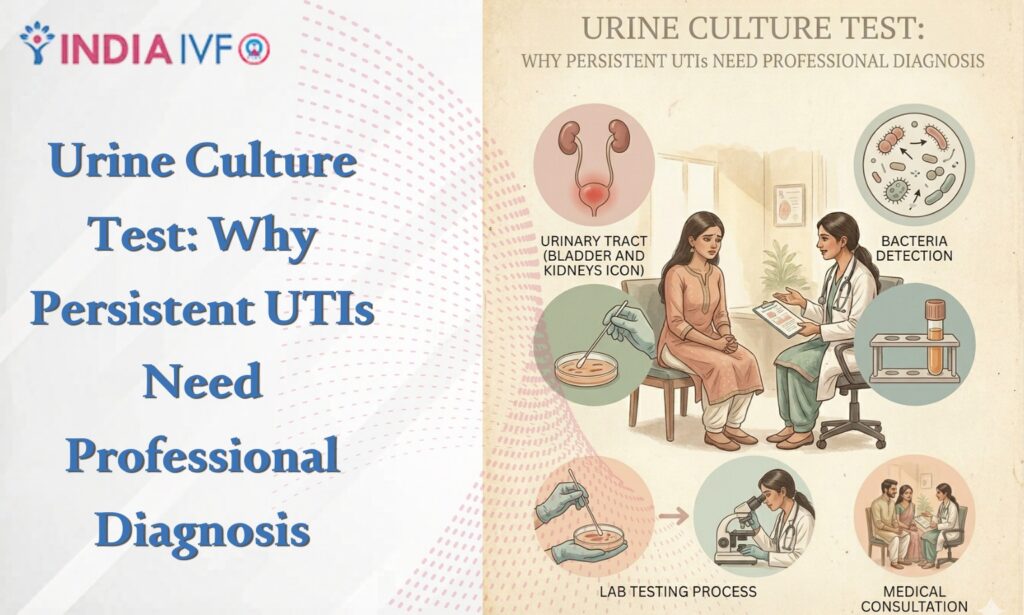
Why a Urine Culture Test is Essential for Persistent UTIs
Dealing with a urinary tract infection (UTI) can be an incredibly frustrating and painful experience. For many people, a UTI isn’t just a one-time occurrence; it becomes a chronic UTI that returns every few months. When antibiotics don’t seem to work, or the symptoms keep coming back, a simple dipstick test is no longer enough. This is where a urine culture test becomes the gold standard for diagnosis.
A urine culture test is a laboratory procedure used to detect and identify bacteria or yeast in the urine that may be causing an infection. Unlike a routine urinalysis, which only looks for signs of infection like white blood cells, a culture actually grows the bacteria to see exactly what they are. This is vital for urinary tract health because it allows doctors to prescribe the most effective antibiotic, rather than guessing with a broad-spectrum one.
If you are suffering from a persistent bladder infection, understanding the role of a urine culture test is the first step toward long-term relief. In this guide, we will explore why this test is necessary, how it works, and how it helps manage complex cases of urinary infections.
What is a Urine Culture Test?
A urine culture test is a more detailed diagnostic tool than the standard urine test you might get at a local clinic. When you provide a urine sample, the lab places it in a special dish with a growth medium (agar). If bacteria or yeast are present, they will grow into colonies over 24 to 48 hours.
The primary goal of the urine culture test is two-fold:
- Identification: To find out exactly which microorganism (like E. coli, Klebsiella, or Proteus) is causing the infection.
- Sensitivity Testing: To determine which specific antibiotics will kill that particular strain of bacteria.
For anyone dealing with a chronic UTI, this second step is life-changing. It prevents “antibiotic resistance,” a condition where bacteria become immune to common drugs because they were treated incorrectly in the past.
The Difference Between Urinalysis and Urine Culture
Many patients get confused between a routine urinalysis and a urine culture test.
- Urinalysis: This is a quick “dipstick” test. It looks for nitrites, blood, and leukocyte esterase (an enzyme from white blood cells). It gives results in minutes but doesn’t tell you which bacteria are present.
- Urine Culture Test: This takes longer (usually 2-3 days) but provides a definitive map of the infection. It is the only way to confirm a bladder infection with 100% accuracy and ensure the treatment plan is correct.
Why Persistent and Chronic UTIs Require a Culture
A chronic UTI is defined as having two or more infections in six months, or three or more in a year. When infections are this frequent, it usually means one of two things: the original infection was never fully cleared, or you are being re-infected by a different strain.
Without a urine culture test, a doctor might prescribe the same antibiotic you’ve used before. If the bacteria have developed resistance to that drug, the symptoms might fade for a few days but will inevitably return. This cycle is damaging to your urinary tract health and can eventually lead to more serious complications, such as kidney infections.
Symptoms That Indicate You Need a Urine Culture Test
While a standard bladder infection has clear symptoms, persistent cases often require the deep dive of a urine culture test. Look out for these signs:
- A strong, persistent urge to urinate.
- A burning sensation when urinating.
- Passing frequent, small amounts of urine.
- Urine that appears cloudy or smells strong.
- Pelvic pain, especially in the center of the pelvis and around the area of the pubic bone.
- Symptoms that return within two weeks of finishing antibiotics.
- Fever or chills (which may indicate the infection has spread).
The Procedure: How to Provide a Clean Catch Sample
To get an accurate urine culture test result, the sample must be “clean.” This means it shouldn’t be contaminated by bacteria from the skin or genital area. The “midstream clean-catch” method is the standard:
- Wash Your Hands: Start with clean hands.
- Clean the Area: Use a sterile wipe to clean the genital area.
- Start Urinating: Begin peeing into the toilet.
- Collect the Sample: Mid-way through, move the sterile cup into the stream to collect about 1-2 ounces.
- Finish: Finish urinating in the toilet and secure the lid on the cup.
Following these steps ensures that the urine culture test detects bacteria from inside the bladder, not from the surface of the skin.
Interpreting Your Results: What the Numbers Mean
When you receive your urine culture test report, you will likely see a measurement called CFU/mL (Colony Forming Units per milliliter).
- Negative Result: Usually means no significant bacterial growth was found. Your symptoms might be caused by something else, like irritation or a different type of infection.
- Positive Result: Typically, a growth of 100,000 CFU/mL or more indicates a confirmed bladder infection.
- Contaminated Sample: If several types of bacteria grow in small amounts, the sample was likely contaminated by skin bacteria, and you may need to repeat the urine culture test.
Utility and Risks of the Test
Utility (Benefits)
The urine culture test is an invaluable tool for modern medicine. Its utility includes:
- Targeted Treatment: No more “guessing” which medicine will work.
- Preventing Kidney Damage: By treating a chronic UTI correctly, you prevent the bacteria from traveling up to the kidneys.
- Monitoring Pregnancy: Pregnant women often have “asymptomatic bacteriuria,” which can be dangerous for the baby. Regular cultures ensure urinary tract health during pregnancy.
- Post-Surgery Care: Ensuring no infections develop after urological surgeries.
Risks
There are virtually no physical risks associated with a urine culture test. It is a non-invasive procedure. The only “risk” is a false positive if the sample is contaminated, which is why the clean-catch method is so strictly emphasized.
Cost of a Urine Culture Test
The cost of a urine culture test can vary based on your location, the laboratory, and whether sensitivity testing is required. Below is a general estimation:
| Service Type | Estimated Cost (INR) | |
| Standard Urine Culture | ₹1,900 – ₹4,700 | |
| Culture + Sensitivity Test | ₹3,800 – ₹9,400 | |
| Home Sample Collection | ₹940 – ₹1,880 extra |
Note: Prices are subject to change based on the diagnostic center and insurance coverage.
Maintaining Long-Term Urinary Tract Health
A urine culture test tells you how to fix a current problem, but maintaining urinary tract health requires lifestyle changes, especially if you are prone to a chronic UTI.
- Hydration: Drink at least 8-10 glasses of water daily to flush bacteria out of the bladder.
- Urinate After Intercourse: This helps clear any bacteria that may have entered the urethra.
- Wipe Front to Back: Prevents E. coli from the anal area from reaching the urethra.
- Cranberry Supplements: Some studies suggest proanthocyanidins in cranberries prevent bacteria from sticking to the bladder wall.
- Probiotics: Maintaining healthy gut and vaginal flora can reduce the risk of a bladder infection.
Conclusion
In conclusion, your urinary tract health should never be a matter of guesswork. While a bladder infection might seem like a minor inconvenience, a chronic UTI can significantly decrease your quality of life. The urine culture test is the most reliable scientific method to ensure you receive the right treatment at the right time. By identifying the specific culprit and the right “weapon” (antibiotic) to fight it, you can break the cycle of infection and find lasting relief. If you are experiencing symptoms, do not delay—consult a professional and ask for a urine culture test today.