Introduction
In today’s world, advanced reproductive technologies like In Vitro Fertilization (IVF) offer remarkable solutions for various fertility issues. But did you know IVF can also help in preventing genetic diseases? Yes, that’s right! If you are concerned about passing on hereditary conditions to your child, IVF with genetic screening could be the answer you’re looking for.
What is IVF and How Does it Work?
IVF, or In Vitro Fertilization, is a procedure where an egg is combined with sperm outside the body, in a lab. Here’s a simplified breakdown of how IVF works:
- Ovarian Stimulation: Hormonal medications are given to stimulate the ovaries to produce multiple eggs.
- Egg Retrieval: Mature eggs are collected from the ovaries using a minor surgical procedure.
- Fertilization: The eggs are fertilized with sperm in the lab.
- Embryo Development: The fertilized eggs (embryos) are cultured for a few days.
- Embryo Transfer: A healthy embryo is transferred to the uterus.
The Role of IVF in Preventing Genetic Diseases
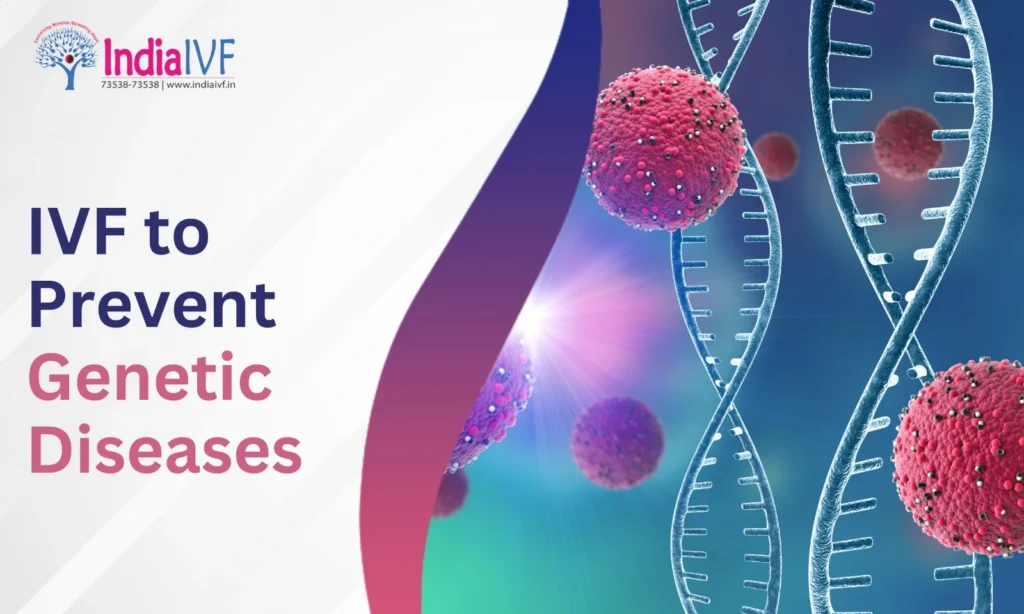
IVF can be a game-changer for couples at risk of passing on genetic disorders. Using Preimplantation Genetic Testing (PGT), embryos can be screened for specific genetic conditions before being implanted. This ensures only healthy embryos are selected for transfer, significantly reducing the risk of genetic diseases.
Types of Genetic Diseases Prevented by IVF
IVF can help prevent a range of genetic conditions, including:
- Cystic Fibrosis: A life-threatening disorder that damages the lungs and digestive system.
- Tay-Sachs Disease: A fatal genetic disorder affecting the nerve cells in the brain.
- Sickle Cell Anemia: A group of disorders causing red blood cells to become misshapen and break down.
- Thalassemia: A blood disorder involving less than normal amounts of an oxygen-carrying protein.
- Huntington’s Disease: A condition causing the progressive breakdown of nerve cells in the brain.
The Process of IVF for Genetic Disease Prevention
Here’s a closer look at the steps involved in using IVF to prevent genetic diseases:
1. Genetic Counseling: Couples receive counseling to understand their genetic risks and the IVF process.
2. Ovarian Stimulation and Egg Retrieval: As previously described, eggs are stimulated and collected.
3. Fertilization and Embryo Development: Eggs are fertilized with sperm in the lab.
4. Genetic Testing: Embryos undergo genetic testing to check for specific disorders.
5. Embryo Selection and Transfer: Only healthy embryos are selected for transfer to the uterus.
Advantages of Using IVF for Genetic Screening
Choosing IVF with genetic screening offers several benefits:
- Reduces the Risk of Genetic Diseases: Ensures only healthy embryos are implanted.
- Increases Success Rates: Selecting healthy embryos can improve the chances of a successful pregnancy.
- Peace of Mind: Provides reassurance to couples about the health of their future child.
Success Rates of IVF for Genetic Disease Prevention
The success rates of IVF with genetic screening are promising. According to various studies, the likelihood of achieving a healthy pregnancy using IVF with PGT is significantly higher compared to traditional methods. Here’s a table summarizing the success rates:
| Type of Genetic Screening | Success Rate (%) |
|---|---|
| PGT-A (Aneuploidy) | 60-70 |
| PGT-M (Monogenic Disorders) | 50-60 |
| PGT-SR (Structural Rearrangements) | 55-65 |
Conclusion
IVF to prevent genetic diseases is a revolutionary approach that offers hope to many couples wanting to ensure a healthier future for their children. By combining advanced reproductive technology with genetic screening, India IVF Fertility helps reduce the risk of hereditary conditions, giving you peace of mind and a chance for a happy, healthy family.