Introduction
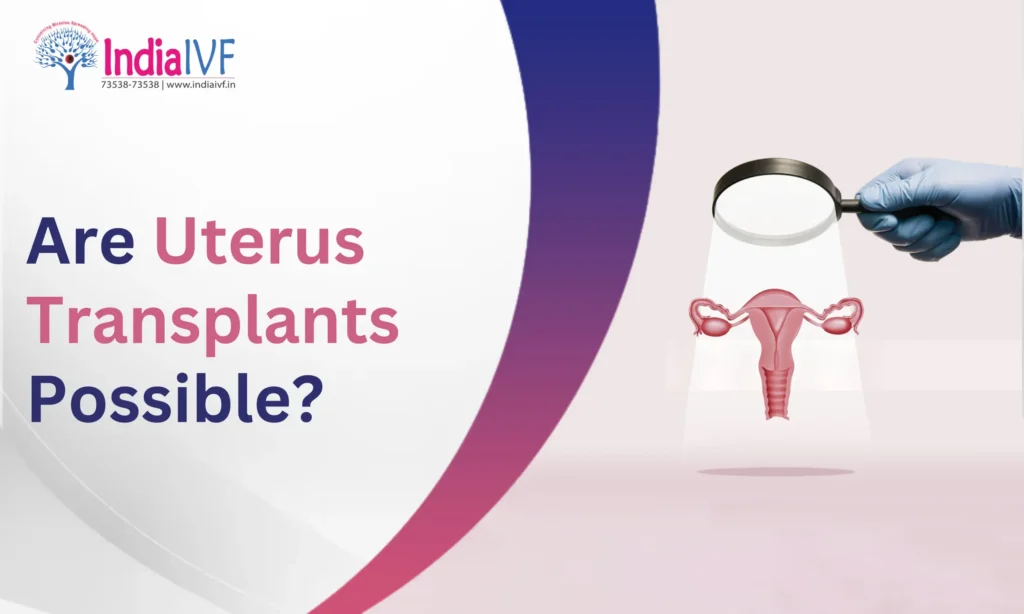
Uterus transplants have recently become a hot topic in the world of reproductive medicine. But, are uterus transplants possible? The short answer is: yes! However, it’s not as simple as it may sound. Let’s dive into what uterus transplants involve, the success rates, and who might benefit from this groundbreaking procedure.
What Is a Uterus Transplant?
A uterus transplant is a surgical procedure where a healthy uterus is transplanted into a woman whose uterus is absent or dysfunctional. This allows the recipient to carry and give birth to a child. The procedure is relatively new and highly complex, requiring a multidisciplinary team of specialists.
Who Can Benefit from a Uterus Transplant?
- Women born without a uterus (Mayer-Rokitansky-Küster-Hauser syndrome)
- Women who had their uterus removed due to medical conditions
- Women with uterine scarring or damage
- Women with recurrent pregnancy loss due to uterine factors
The Procedure: How Does It Work?
1. Donor Selection: The uterus can be donated either from a living donor (usually a family member) or a deceased donor.
2. Transplant Surgery: The surgery is complex, involving connecting blood vessels and ensuring the uterus functions properly in the recipient’s body.
3. Immunosuppression: Post-surgery, the recipient must take immunosuppressive drugs to prevent organ rejection.
4. Embryo Transfer: Once the uterus is stable, embryos (created via IVF) are transferred into the uterus.
5. Pregnancy Monitoring: The pregnancy is closely monitored due to the high-risk nature of the transplant.
Success Rates and Challenges
Uterus transplants are still in the experimental phase, with only a few successful births worldwide. The success of this procedure depends on various factors such as the health of the donor and recipient, surgical expertise, and post-operative care. Additionally, the long-term effects of immunosuppressive drugs on both the mother and child are still being studied.
Are Uterus Transplants Available in India?
While uterus transplants are not widely available in India, a few specialized centers are exploring this option. India IVF Fertility is committed to staying at the forefront of reproductive medicine and is closely monitoring the advancements in this field.
Conclusion
Uterus transplants offer a new ray of hope for women who cannot conceive due to uterine issues. While the procedure is still in its infancy, the potential for helping women achieve their dreams of motherhood is immense. India IVF Fertility is committed to providing cutting-edge fertility treatments and is closely following the developments in uterus transplants.