Introduction
In the world of IVF (In Vitro Fertilization), every little step can make a big difference in achieving a successful pregnancy. One such innovation is the use of embryo glue. But what is embryo glue in IVF, when is it used, and is it necessary? This article will dive deep into these questions, providing clear, easy-to-understand answers and helping you navigate this important aspect of fertility treatment.
What is Embryo Glue in IVF?
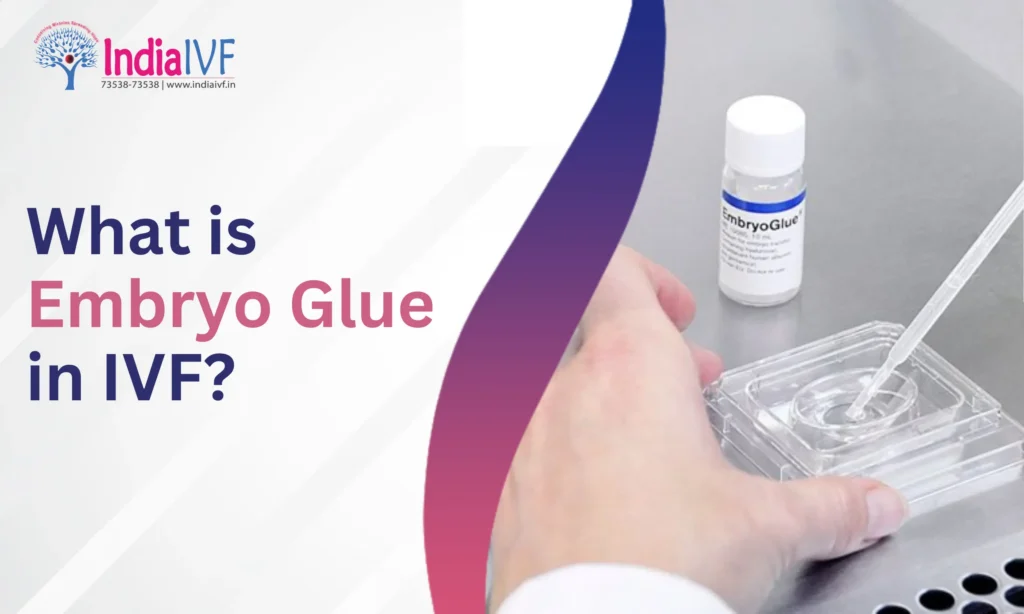
Embryo glue is a specially formulated medium used during the embryo transfer stage of IVF. It contains high levels of hyaluronan (also known as hyaluronic acid), which is a natural substance found in the body. Hyaluronan plays a critical role in cell adhesion and helps embryos stick to the uterine lining, potentially improving the chances of implantation.
When is Embryo Glue Used?
Embryo glue is typically used during the embryo transfer phase of IVF. This is the final step where the selected embryos are placed into the uterus. The idea is to create a more conducive environment for the embryos to implant and grow, thereby increasing the chances of a successful pregnancy.
Is Embryo Glue Necessary?
While embryo glue can enhance the likelihood of implantation, it’s not strictly necessary for every IVF procedure. Its necessity depends on various factors, including the specific circumstances of the patient and the recommendations of the fertility specialist. For some, it might be an added advantage, while for others, standard IVF procedures might suffice.
Benefits of Using Embryo Glue
1. Enhanced Implantation Rates: Embryo glue can increase the likelihood of the embryo sticking to the uterine lining.
2. Natural Components: As it contains hyaluronan, which is naturally found in the body, it is considered safe and biocompatible.
3. Supportive Environment: It helps create a more supportive environment for the embryo, which can be crucial for implantation.
How Does Embryo Glue Work?
1. Preparation: During the embryo transfer, the embryos are placed in the embryo glue medium.
2. Transfer: The embryos, along with the glue, are then transferred into the uterus using a thin catheter.
3. Adhesion: The hyaluronan in the glue helps the embryos adhere to the uterine lining, increasing the chances of successful implantation.
Conclusion
Understanding what embryo glue is in IVF, when it’s used, and its necessity can help you make informed decisions about your fertility treatment. While it can enhance the chances of implantation, its use should be discussed with your fertility specialist to determine if it’s the right option for you. For more detailed information and personalized guidance, visit [www.indiaivf.in](https://www.indiaivf.in) and consult with our expert team.