Introduction
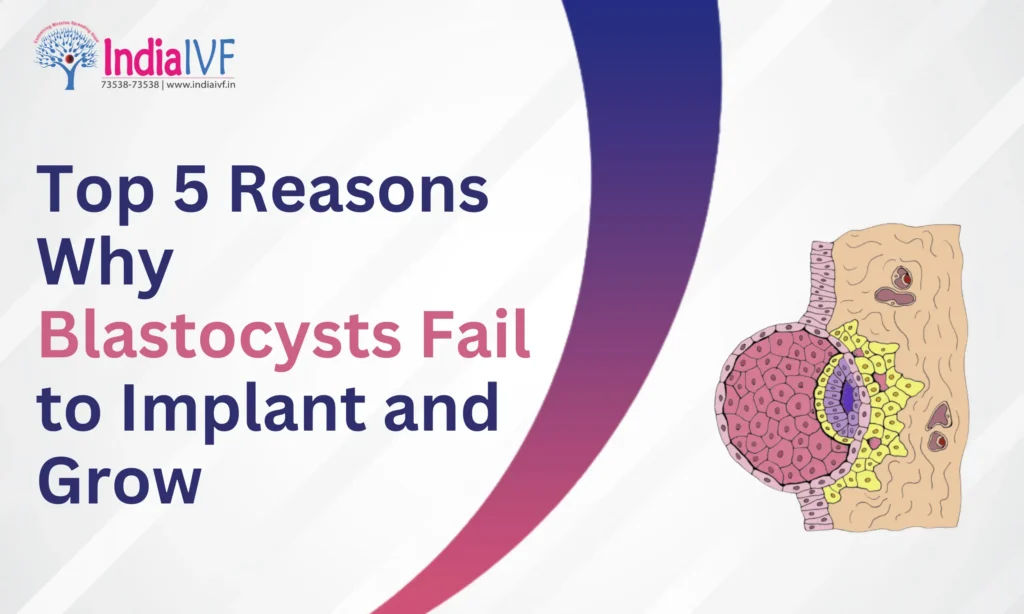
In the intricate journey of in vitro fertilization (IVF), the implantation of a blastocyst is a critical step toward achieving a successful pregnancy. However, not all blastocysts implant and grow as expected. Understanding the reasons behind these failures can help couples and medical professionals take proactive measures to improve outcomes. In this article, we will explore the top 5 reasons why blastocysts fail to implant and grow, providing insights from fertility experts.
1. Embryo Quality
The quality of the embryo plays a crucial role in its ability to implant and develop into a healthy pregnancy.
- Genetic Abnormalities: Chromosomal abnormalities in the embryo can prevent it from implanting or growing properly.
- Developmental Issues: Poor embryo development during the early stages can lead to implantation failure.
2. Uterine Environment
A receptive uterine environment is essential for successful blastocyst implantation.
- Endometrial Thickness: An optimal endometrial thickness is crucial for implantation. Too thin or too thick can hinder the process.
- Uterine Anomalies: Conditions such as fibroids, polyps, or scar tissue can obstruct implantation.
3. Hormonal Imbalance
Hormonal levels must be precisely balanced for the blastocyst to implant and grow.
- Progesterone Levels: Adequate progesterone is necessary to prepare the uterine lining for implantation.
- Other Hormonal Issues: Imbalances in hormones such as estrogen and thyroid hormones can also affect implantation.
4. Immune System Factors
The body’s immune response can sometimes hinder the implantation of a blastocyst.
- Autoimmune Disorders: Conditions where the body’s immune system attacks its own tissues can prevent implantation.
- Natural Killer Cells: Elevated levels of these cells can attack the blastocyst, leading to implantation failure.
5. Lifestyle Factors
Certain lifestyle choices and environmental factors can impact the success of blastocyst implantation.
- Stress: High levels of stress can negatively affect hormonal balance and the uterine environment.
- Lifestyle Choices: Smoking, alcohol consumption, and poor diet can reduce the chances of successful implantation.
Conclusion
Understanding the top 5 reasons why blastocysts fail to implant and grow can help couples and medical professionals address these issues proactively. By focusing on improving embryo quality, ensuring a receptive uterine environment, balancing hormones, managing immune system factors, and making positive lifestyle choices, the chances of successful implantation can be significantly enhanced. For more detailed information and personalized guidance, visit [www.indiaivf.in](https://www.indiaivf.in) and consult with our team of fertility experts.