Introduction
In the journey of in vitro fertilization (IVF), the decision to transfer embryos at the blastocyst stage can significantly impact the success of the treatment. Understanding when and why blastocyst transfer is recommended can help couples make informed choices, maximizing their chances of a successful pregnancy. In this article, we will explore the top 5 reasons why blastocyst transfer is often the preferred method in IVF treatments.
1. Higher Success Rates
Blastocyst transfer is associated with higher implantation and pregnancy rates compared to earlier-stage embryo transfers.
- More Developed Embryos: By the time embryos reach the blastocyst stage, they are more developed and have a better chance of implanting successfully.
- Better Selection: The process of reaching the blastocyst stage acts as a natural selection mechanism, allowing embryologists to choose the most viable embryos.
2. Improved Synchronization with Uterine Environment
The timing of blastocyst transfer is more in sync with the natural uterine environment, which enhances the likelihood of successful implantation.
- Optimal Uterine Receptivity: The uterine lining is more receptive to a blastocyst, as it mimics the natural timeline of embryo development.
- Reduced Risk of Early Miscarriage: Better synchronization helps in reducing the risk of early miscarriage.
3. Reduced Risk of Multiple Pregnancies
Transferring fewer blastocysts reduces the risk of multiple pregnancies, which can be associated with higher health risks for both mother and babies.
- Single Embryo Transfer (SET): With blastocyst transfer, single embryo transfers are more effective, lowering the chances of twins or higher-order multiples.
- Healthier Pregnancy: Lower risk of complications associated with multiple pregnancies, such as preterm birth and low birth weight.
4. Enhanced Embryo Selection
Blastocyst culture allows for better assessment and selection of embryos based on their development and quality.
- Natural Selection: Embryos that reach the blastocyst stage are more likely to be genetically normal and healthy.
- Advanced Techniques: Techniques like Preimplantation Genetic Testing (PGT) are more accurate at the blastocyst stage, ensuring the selection of the best embryos.
5. Increased Flexibility in Treatment
Blastocyst transfer offers more flexibility in timing and the ability to better plan the treatment cycle.
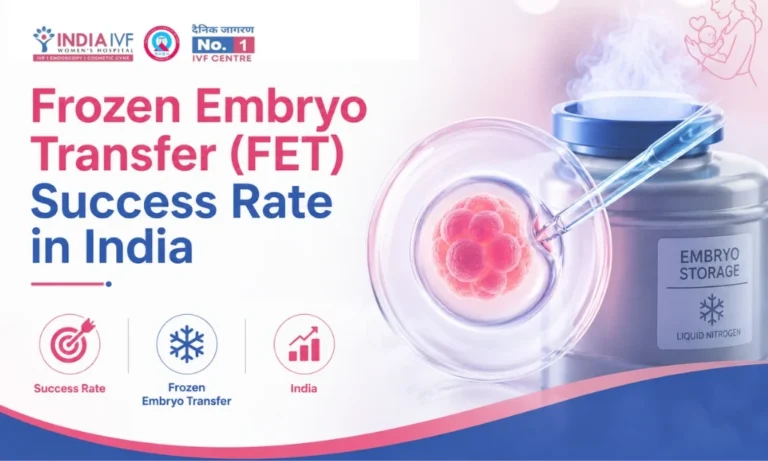
- Frozen Embryo Transfer (FET): Blastocysts can be frozen and transferred in a subsequent cycle, allowing for optimal timing and preparation.
- Personalized Treatment: Better control over the treatment timeline, accommodating personal and medical schedules.
Conclusion
Blastocyst transfer is a powerful tool in the world of IVF, offering higher success rates, better embryo selection, and reduced risks. By understanding the top 5 reasons why blastocyst transfer is recommended, couples can make informed decisions about their fertility treatments. For more detailed information and personalized guidance, visit [www.indiaivf.in](https://www.indiaivf.in) and consult with our team of fertility experts.