Introduction
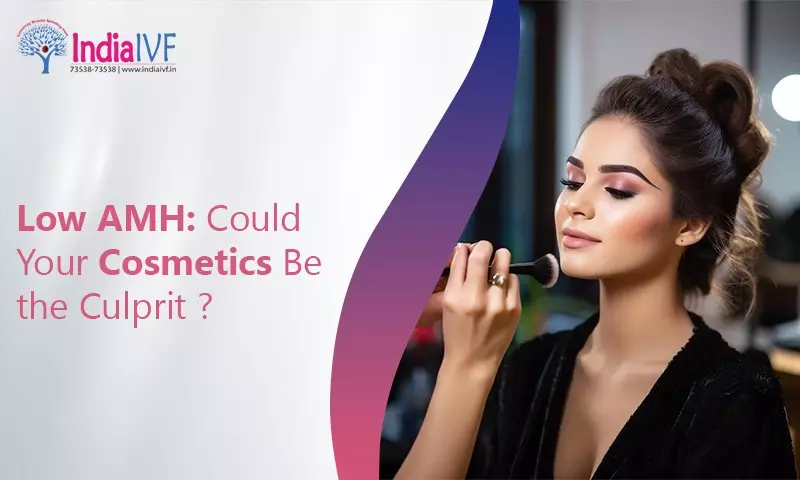
Facing low Anti-Müllerian Hormone (AMH) levels can be a daunting challenge for women trying to conceive. What if the cosmetics you use daily are impacting your fertility? This blog will explore how certain chemicals in cosmetics can affect your hormonal balance and potentially lead to low AMH levels.
Understanding Low AMH
What is AMH?
Anti-Müllerian Hormone (AMH) is a hormone produced by ovarian follicles. It serves as an indicator of a woman’s ovarian reserve, which is crucial for fertility. Low AMH levels suggest fewer available eggs, making conception more difficult.
How Cosmetics Could Be Affecting Your AMH Levels
The Hidden Dangers in Your Beauty Products
Many cosmetics contain chemicals known as endocrine disruptors. These substances can interfere with your hormonal system, potentially leading to reproductive health issues, including low AMH levels. Here are some common culprits:
1. Parabens
Parabens are preservatives used in many cosmetics to prevent the growth of bacteria and mold. They mimic estrogen, a hormone that regulates the menstrual cycle and reproductive system. Excessive exposure to parabens can disrupt your hormonal balance, possibly leading to decreased AMH levels.
Common Products Containing Parabens:
- Lotions
- Shampoos
- Makeup
2. Phthalates
Phthalates are used to make products more pliable and are often found in fragrances. They can interfere with the endocrine system, affecting hormone levels and potentially leading to fertility issues.
Common Products Containing Phthalates:
- Perfumes
- Nail polishes
- Hair sprays
3. Triclosan
Triclosan is an antibacterial agent found in some soaps, toothpaste, and deodorants. It has been shown to disrupt thyroid hormone function, which can have a cascading effect on reproductive hormones and ovarian reserve.
Common Products Containing Triclosan:
- Antibacterial soaps
- Toothpaste
- Deodorants
4. Formaldehyde and Formaldehyde-Releasing Agents
Formaldehyde is a preservative used in some cosmetics and hair treatments. Exposure to formaldehyde can disrupt hormonal balance, leading to potential fertility issues.
Common Products Containing Formaldehyde:
- Nail polish
- Hair straightening treatments
- Eyelash glue
5. Synthetic Fragrances
Synthetic fragrances are found in a wide range of beauty products. These fragrances can contain numerous chemicals that disrupt endocrine function, affecting your reproductive health.
Common Products Containing Synthetic Fragrances:
- Perfumes
- Lotions
- Shampoos
Steps to Protect Your Reproductive Health
1. Read Labels Carefully
Always check the ingredient list of your cosmetics. Avoid products containing parabens, phthalates, triclosan, formaldehyde, and synthetic fragrances.
2. Choose Natural and Organic Products
Opt for natural and organic beauty products that do not contain harmful chemicals. These products are less likely to disrupt your hormonal balance.
3. Limit Use of Fragranced Products
Fragrances can contain a multitude of chemicals. Limiting your use of fragranced products can reduce your exposure to potential endocrine disruptors.
4. Use Fewer Products
Minimize the number of cosmetic products you use daily. Fewer products mean less exposure to harmful chemicals.
5. Consult with a Fertility Specialist
If you’re concerned about how your cosmetics might be affecting your AMH levels and fertility, consult with a specialist at India IVF Fertility. They can provide personalized advice and treatment options.
Conclusion
The cosmetics you use every day could be impacting your fertility by disrupting your hormonal balance. Being aware of the chemicals in these products and taking steps to minimize your exposure can help protect your reproductive health. If you’re struggling with low AMH levels, India IVF Fertility in Delhi, Gurgaon, Noida, Srinagar, Gwalior, and Ghaziabad can offer advanced treatments and support to help you conceive with your own eggs.