Introduction
Infertility affects millions of couples worldwide, causing emotional and physical distress. In cases where sperm are absent from semen, advanced reproductive technologies like PESA IVF (Percutaneous Epididymal Sperm Aspiration) offer a glimmer of hope. This minimally invasive procedure retrieves sperm directly from the epididymis, paving the way for successful fertilization and pregnancy.
What is PESA IVF?
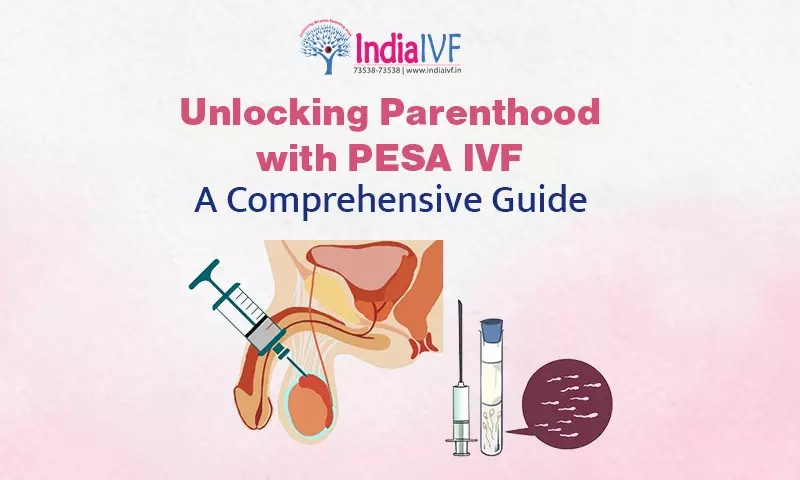
PESA is a surgical technique that involves extracting sperm from the epididymis, a coiled tube located behind the testes. During the procedure, a thin needle is inserted into the epididymis, and sperm are aspirated with gentle suction. The retrieved sperm can then be utilized in various IVF techniques, including ICSI (Intracytoplasmic Sperm Injection), for fertilization.
Benefits of PESA IVF
- Effective for Azoospermia: PESA IVF proves highly effective for men diagnosed with azoospermia, a condition where no sperm are present in the ejaculate.
- Minimally Invasive: Compared to other sperm retrieval procedures, PESA is minimally invasive, minimizing discomfort and recovery time.
- High Success Rates: PESA IVF boasts impressive success rates, comparable to conventional IVF methods using ejaculated sperm.
- Suitable for Various Cases: PESA can be employed in diverse situations, including obstructive azoospermia, testicular failure, and hormonal imbalances.
Ideal Candidates for PESA IVF
- Men with azoospermia or severe oligozoospermia (low sperm count)
- Individuals with blockages in the vas deferens
- Patients with retrograde ejaculation
- Those who have undergone vasectomy reversal with unsuccessful outcomes
PESA IVF Procedure
The PESA procedure is typically performed under local anesthesia. Here’s a step-by-step breakdown:
1. Preparation: The patient is prepped and positioned comfortably.
2. Needle Insertion: A thin needle is inserted through the scrotum and into the epididymis.
3. Aspiration: Sperm are gently aspirated using suction.
4. Sperm Analysis: The retrieved sperm are evaluated for quality and motility.
5. IVF Process: The sperm are utilized in the chosen IVF technique, such as ICSI, for fertilization with the eggs.
Recovery:
PESA is a well-tolerated procedure with minimal discomfort. Patients can usually resume their daily activities within a day or two. Minor bruising or swelling around the scrotum may occur and resolve within a few days.
Success Rates of PESA IVF:
PESA IVF boasts success rates comparable to conventional IVF methods, ranging from 30% to 60%. These rates depend on various factors, including the underlying cause of infertility, the age of the partners, and the quality of the retrieved sperm and the eggs.
Conclusion
PESA IVF is a highly effective and minimally invasive sperm retrieval technique that offers a beacon of hope for couples struggling with infertility. With its impressive success rates and suitability for a wide range of cases, PESA IVF is a valuable option for couples seeking to achieve parenthood.
Image
Image of PESA IVF procedure
This image shows a step-by-step breakdown of the PESA IVF procedure:
1. Preparation: The patient is prepped and positioned comfortably.
2. Needle Insertion: A thin needle is inserted through the scrotum and into the epididymis.
3. Aspiration: Sperm are gently aspirated using suction.
4. Sperm Analysis: The retrieved sperm are evaluated for quality and motility.
5. IVF Process: The sperm are utilized in the chosen IVF technique, such as ICSI, for fertilization with the eggs.