Introduction
The fallopian tubes play a vital role in fertility. They are the passageways that transport eggs from the ovaries to the uterus, where they can be fertilized by sperm. If both fallopian tubes are removed, it is no longer possible to conceive naturally. However, IVF (in vitro fertilization) can offer a lifeline for couples who are unable to conceive due to tubal factors.
Importance of Tubes in Fertility
The fallopian tubes are responsible for several important functions in fertility, including:
- Transporting eggs from the ovaries to the uterus: The fallopian tubes have cilia, which are tiny hair-like projections that beat to move the egg through the tube.
- Providing a suitable environment for fertilization: The fallopian tubes have a fluid-filled environment that is ideal for the sperm to meet and fertilize the egg.
- Nourishing the early embryo: The fallopian tubes provide the early embryo with nutrients until it reaches the uterus and implants in the lining.
What It Means to Have Both Tubes Removed
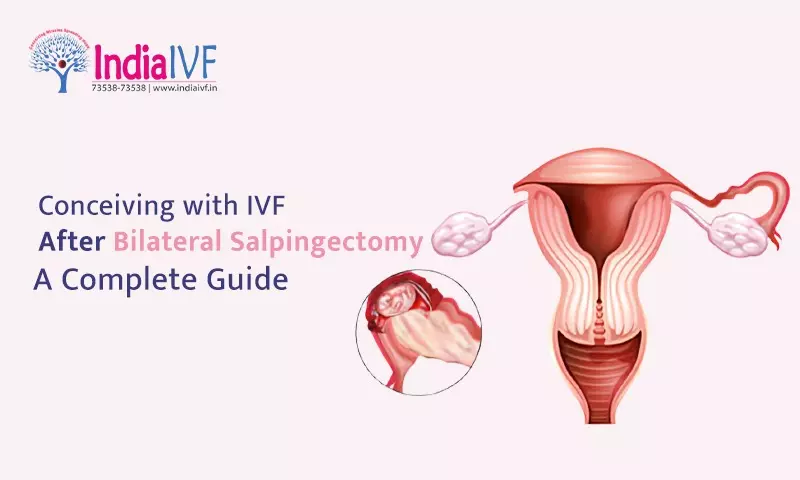
Having both fallopian tubes removed is a surgical procedure called a bilateral salpingectomy. This procedure may be necessary if a woman has:
- Ectopic pregnancies (pregnancies that occur outside the uterus)
- Severe pelvic infections
- Ovarian cancer
- Endometriosis (a condition where the tissue that lines the uterus grows outside the uterus)
Understanding Tubal Factors and IVF
Tubal factors are one of the leading causes of female infertility. IVF is a fertility treatment that can help couples with tubal factors conceive. IVF involves fertilizing the egg with sperm in a laboratory dish and then transferring the embryo to the uterus.
The Role of Fallopian Tubes in Conception
The fallopian tubes play a vital role in conception by providing a passageway for the sperm to meet and fertilize the egg. If the fallopian tubes are blocked or damaged, it can be difficult or impossible for the sperm to reach the egg.
Causes and Reasons for the Removal of Both Tubes
The most common reasons for having both fallopian tubes removed include:
- Ectopic pregnancies
- Severe pelvic infections
- Ovarian cancer
- Endometriosis
How IVF Provides a Solution for Patients Without Fallopian Tubes
IVF can bypass the need for the fallopian tubes by fertilizing the egg with sperm in a laboratory dish. Once the embryo is fertilized, it can be transferred directly to the uterus.
The IVF Process at India IVF Fertility
The IVF process at India IVF Fertility is as follows:
- Ovarian stimulation: Medications are used to stimulate the ovaries to produce multiple eggs.
- Egg retrieval: The eggs are retrieved from the ovaries using a minimally invasive procedure called ultrasound-guided transvaginal oocyte retrieval (TVOR).
- Sperm collection: The sperm is collected from the male partner.
- Fertilization: The eggs are fertilized with sperm in a laboratory dish.
- Embryo culture: The embryos are cultured in the laboratory for a few days.
- Embryo transfer: One or more embryos are transferred to the uterus.
Special Considerations for Patients Without Fallopian Tubes
There are a few special considerations for patients without fallopian tubes who are undergoing IVF. For example, the doctor may recommend a different type of ovarian stimulation protocol or a different type of embryo transfer procedure.
The Science Behind IVF Success Post-Tubal Removal
The success rates of IVF for patients with no fallopian tubes are comparable to those of patients with fallopian tubes. In fact, some studies have shown that IVF success rates may be higher for patients with tubal factors.
Medical Advances Enhancing IVF Success
Medical advances in IVF technology have helped to improve success rates for all patients, including those with tubal factors. For example, the use of preimplantation genetic testing (PGT) can help to select the healthiest embryos for transfer.
Patient Stories: Triumphs of IVF at India IVF Fertility
India IVF Fertility has helped many couples with tubal factors achieve their dream of parenthood through IVF. Here are a few real-life examples:
- Sunita and Sanjay: Sunita and Sanjay had both of her fallopian tubes removed due to ectopic pregnancies. They were devastated when they learned that they could no longer conceive naturally. However, with the help of IVF at India IVF Fertility, they were able to conceive and have a healthy baby boy.
- Priya and Amit: Priya and Amit had been trying to conceive for several years without success. Priya was diagnosed with endometriosis and had both of her fallopian tubes removed. After being told that they could no longer conceive naturally, Priya and Amit turned to India IVF Fertility. With the help of IVF, they were able to conceive and have a beautiful baby girl.
The Emotional and Physical Journey of the Patients
The IVF journey can be an emotional and physical roller coaster for patients, especially those who have experienced the loss of their fallopian tubes. However, the support of a team of experienced and compassionate professionals can make a big difference.
India IVF Fertility understands the unique challenges faced by patients with tubal factors. They offer a comprehensive range of services and support to help patients through every step of the IVF journey.
Conclusion
IVF can offer a lifeline for couples who are unable to conceive naturally due to tubal factors. India IVF Fertility has a proven track record of success in helping couples with tubal factors achieve their dream of parenthood.
If you are considering IVF, it is important to choose a fertility clinic with experience in treating patients with tubal factors. India IVF Fertility is a leading fertility clinic in India that offers a comprehensive range of services and support to help patients through every step of the IVF journey.