Introduction
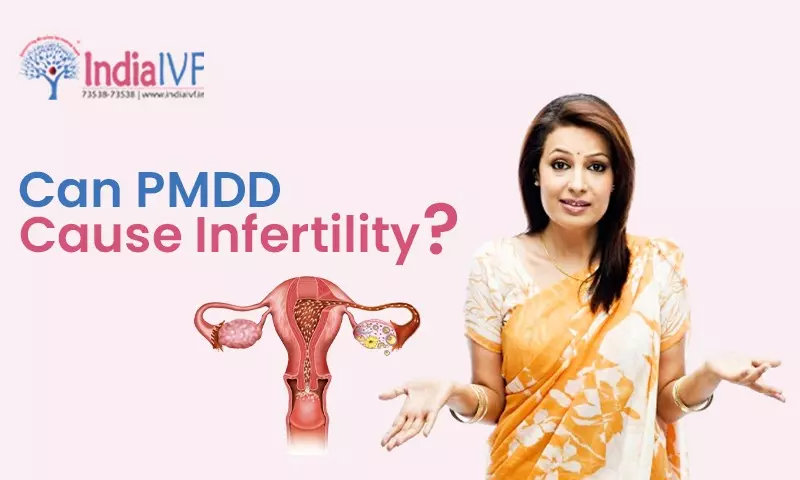
Navigating the intricacies of female fertility unveils a myriad of factors, including PMDD. Let’s dissect the potential links between PMDD and infertility, one point at a time.
Can PMDD Cause Infertility?
- PMDD, or Premenstrual Dysphoric Disorder, is a severe mood disorder that magnifies typical PMS symptoms.
- Direct evidence linking PMDD to infertility is scarce.
- Peripheral effects of PMDD, however, can indirectly affect fertility prospects.
Understanding PMDD and Its Symptoms
- Severe emotional upheavals: Pronounced mood swings, heightened irritability, and depressive episodes.
- Physical ailments: Intense fatigue, sleep disruptions, and heightened pain sensitivity.
- Life impact: Symptoms can impede day-to-day activities and deteriorate relationships.
The Relationship Between PMDD and Hormones
- PMDD is intertwined with menstrual cycle hormonal changes.
- Imbalance in estrogen and progesterone, pivotal for pregnancy, might manifest in PMDD-affected women.
- Hormonal imbalance’s fertility ramifications remain under exploration.
How PMDD Affects Your Fertility
- Direct impact: No substantial evidence showing PMDD hampers ovulation or reproductive organ health.
- Indirect impact: Emotional and physical symptoms can curtail frequency of intercourse, affecting conception.
The Link Between PMDD and Ovulation
- Studies propose possible irregular ovulation patterns in PMDD-affected women.
- Erratic ovulation can reduce predictable fertility windows.
Common Causes of Infertility in Women
- Polycystic Ovary Syndrome (PCOS): Hormonal disorder causing enlarged ovaries.
- Endometriosis: Growth of uterine tissue outside the uterus.
- Age-related factors: Diminishing egg quality and quantity with age.
- Unexplained infertility: When no discernible cause is found.
How to Identify and Diagnose PMDD-Related Infertility
- Symptom recognition: Identifying severe PMDD symptoms is paramount.
- Diagnostic tools: Hormonal assays, ovulation tracking, and fertility assessments.
Treatment Options for PMDD-Related Infertility
- Hormonal therapies: Counteract PMDD symptoms and stabilize hormonal fluctuations.
- Fertility enhancements: Techniques like IUI and IVF to escalate conception probabilities.
Improving Your Chances of Conceiving with PMDD
- Early intervention: Seeking medical guidance promptly upon symptom recognition.
- Adherence to advised treatments and protocols.
Lifestyle Changes That Can Help Manage PMDD Symptoms and Improve Fertility
- Physical activity: Regular exercises, walking, or even yoga.
- Nutritious diet: Incorporating vitamin-rich foods and adequate hydration.
- Stress relief: Meditation, mindfulness exercises, and breathing techniques.
- Sleep routine: Ensuring 7-9 hours of restful sleep.
Alternative Therapies for PMDD and Infertility
- Acupuncture: Ancient Chinese technique influencing energy flow.
- Herbal remedies: Natural solutions like chaste berry or evening primrose oil.
- Guided relaxation: Progressive muscle relaxation and visualization techniques.
Conclusion
Decoding the PMDD-infertility link is intricate. Peripheral PMDD impacts might influence fertility, but understanding and intervention can illuminate the path ahead.