Introduction
Let’s cut straight to the point—HIV symptoms in women can sometimes be different from men, and knowing what to watch for is crucial. Early detection can make a massive difference in managing the virus and living a healthy life. But what exactly should women be looking for? In this blog, we’ll walk you through the common and unique symptoms women might experience when infected with HIV.
No fluff, just clear and simple information to help you understand the signs.
What Are the Common HIV Symptoms in Women?
HIV affects the immune system, which is responsible for fighting off infections. While the virus itself doesn’t discriminate, some symptoms may show up differently in women than in men. The early signs of HIV can often be mistaken for something else—like the flu or a mild infection—which is why it’s important to pay close attention to your body if you think you may be at risk.
Common HIV Symptoms in Women:
1. Fever – One of the earliest signs of HIV is a persistent fever (above 100°F) that doesn’t seem to go away.
2. Fatigue – Feeling extremely tired or drained without any obvious reason? This could be a sign.
3. Swollen Lymph Nodes – These are the small glands in your neck, armpits, and groin. If they’re swollen, it might mean your body is fighting off an infection.
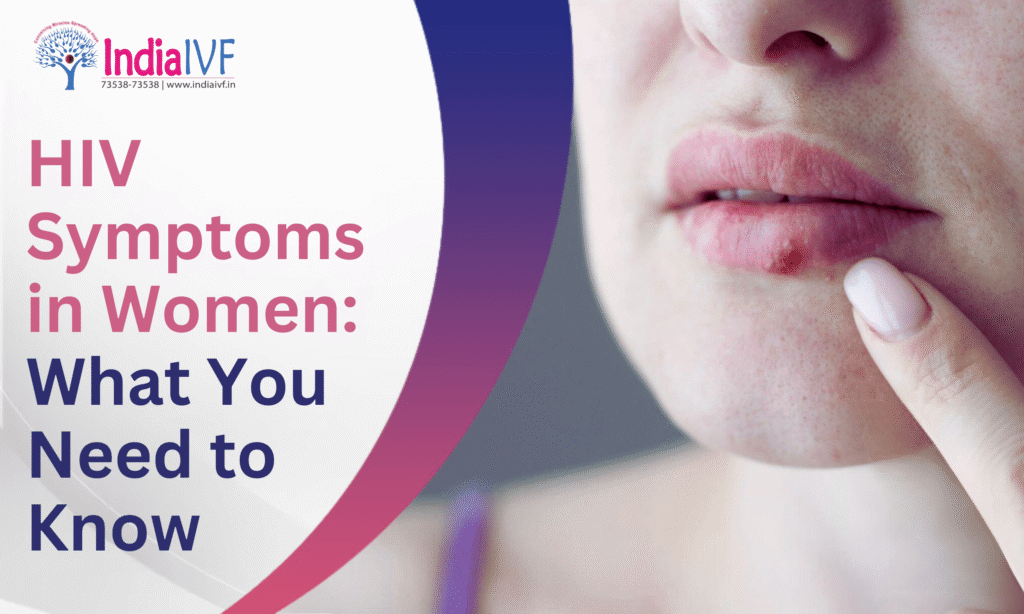
4. Skin Rash – Rashes or bumps that suddenly appear on the skin could be a red flag.
5. Night Sweats – If you wake up drenched in sweat, even though the room isn’t hot, this could be an early symptom.
6. Menstrual Cycle Changes – Some women notice changes in their periods, such as missed periods, heavier or lighter bleeding.
7. Vaginal Infections – Recurring vaginal yeast infections (thrush) or bacterial vaginosis may be more frequent in women with HIV.
Key Point: These symptoms can appear within 2 to 4 weeks after exposure to the virus, and they can last for a few weeks. If you’ve been at risk, don’t ignore these signs.
How HIV Affects Women Differently
Women may experience HIV symptoms in ways that men don’t, and some of these symptoms are unique to the female reproductive system. Let’s talk about how HIV can impact women differently:
1. Vaginal Yeast Infections
Women with HIV are more likely to experience frequent yeast infections. While yeast infections are common, if they keep coming back, it might be a sign of a weakened immune system due to HIV.
2. Pelvic Inflammatory Disease (PID)
PID is an infection of the uterus, fallopian tubes, or ovaries. Women with HIV may have more severe or hard-to-treat cases of PID.
3. Changes in Menstrual Cycle
Some women with HIV may notice irregular periods or changes in the heaviness or frequency of their menstrual cycle. This could be due to the body’s response to the virus or other infections taking advantage of a weakened immune system.
Why Early Detection Matters
Here’s why catching HIV early is crucial:
- Better treatment outcomes – The earlier HIV is detected, the more effective treatments can be in controlling the virus.
- Reduce transmission risk – Early treatment helps lower the chances of passing the virus to others.
- Prevent complications – Early intervention helps prevent the virus from progressing into AIDS, where your immune system becomes severely compromised.
So, if you notice any of these HIV symptoms in women, get tested ASAP!
How Is HIV Diagnosed?
HIV is diagnosed with a simple blood test. If you’ve had unprotected sex, shared needles, or been exposed to HIV in any other way, a blood test is the most reliable way to know for sure.
Here’s when you should get tested:
- If you’ve had unprotected sex (without a condom).
- If you’ve shared needles or syringes.
- If you’re pregnant or planning to conceive.
Conclusion
Understanding HIV symptoms in women is a critical step in protecting your health. The virus doesn’t always show obvious signs at first, and that’s why it’s important to get tested if you think you might be at risk. The earlier you know, the better your chances are of managing HIV and living a long, healthy life.
Stay informed, take action, and never hesitate to talk to a healthcare provider if you have any concerns.