Introduction
Uterus hyperplasia is a condition that might sound complicated, but it’s essential to understand, especially if you’re dealing with reproductive health issues. This article will break down everything you need to know about uterus hyperplasia in simple, easy-to-understand language. No fluff, just the facts—straight to the point, just like the new EEAT algorithm prefers!
What is Uterus Hyperplasia?
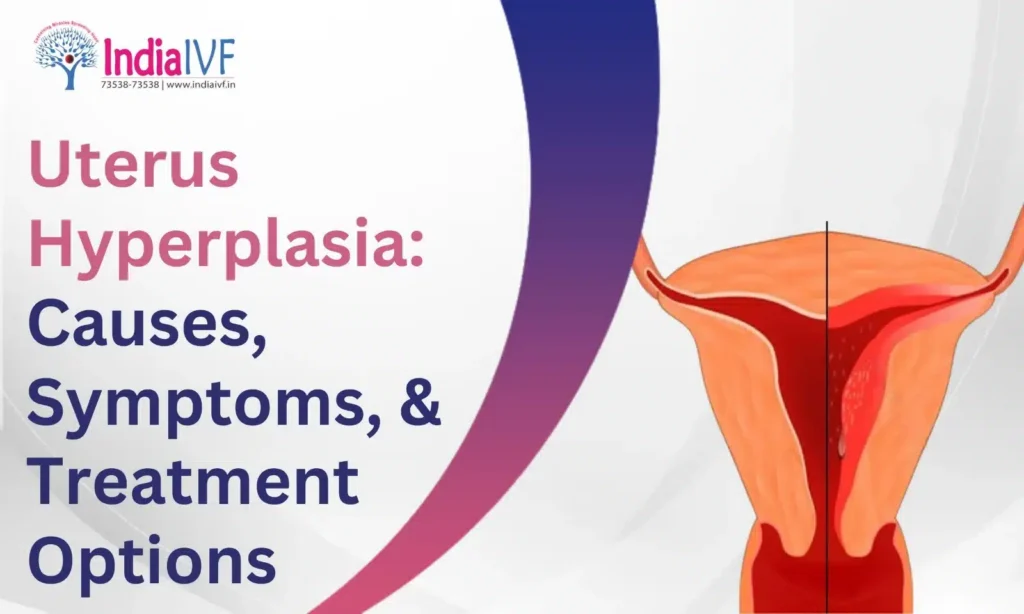
Uterus hyperplasia, also known as endometrial hyperplasia, is a condition where the lining of the uterus (the endometrium) becomes too thick. This thickening happens because of an increase in the number of cells, which can sometimes lead to abnormal or pre-cancerous changes. Now, don’t get too worried just yet—it’s treatable, and that’s what we’ll focus on.
Key Points:
- Uterus hyperplasia is an overgrowth of the uterine lining.
- It’s often related to hormonal imbalances, especially excess estrogen without enough progesterone.
- Not all cases are serious, but some types can lead to more significant issues if left untreated.
Causes of Uterus Hyperplasia
So, what causes this condition? Well, the primary culprit is an imbalance in your hormones. Specifically, it’s when there’s too much estrogen and not enough progesterone. Estrogen helps the uterine lining grow, while progesterone helps shed it during your period. When these hormones are out of sync, the lining keeps building up.
Possible Causes Include:
- Hormonal Imbalance: The most common cause.
- Obesity: Excess fat tissue can produce estrogen, contributing to the imbalance.
- Polycystic Ovary Syndrome (PCOS): Women with PCOS often have hormonal imbalances.
- Taking Estrogen Without Progesterone: If you’re on hormone replacement therapy, it’s crucial to balance it with progesterone.
- Menopause: As you approach menopause, your hormone levels fluctuate, which can lead to hyperplasia.
Symptoms of Uterus Hyperplasia
You might be wondering, “How do I know if I have this condition?” Good question! Symptoms can vary, but the most common sign is abnormal uterine bleeding. This can mean heavy periods, bleeding between periods, or postmenopausal bleeding. If you notice any of these, it’s time to get checked out.
Common Symptoms:
- Heavy or prolonged menstrual periods
- Irregular menstrual cycles
- Spotting between periods
- Postmenopausal bleeding
Diagnosis of Uterus Hyperplasia
If you’re experiencing any of these symptoms, the next step is to visit your healthcare provider. They’ll likely start with a pelvic exam and then move on to more specific tests like an ultrasound or a biopsy. These tests help determine the thickness of your endometrium and check for any abnormal cells.
Diagnostic Tests Include:
Pelvic Ultrasound: To measure the thickness of the endometrium.
Endometrial Biopsy: A small sample of the uterine lining is taken for examination.
Hysteroscopy: A procedure that allows the doctor to look inside the uterus with a thin, lighted tube.
Treatment Options for Uterus Hyperplasia
Treatment depends on the type of hyperplasia you have. There are a few different types, ranging from simple hyperplasia, which is usually benign, to atypical hyperplasia, which can be precancerous. Your doctor will recommend a treatment plan based on your diagnosis.
Treatment Options Include:
- Progestin Therapy: This hormone can help balance out the estrogen and prevent the uterine lining from growing too thick.
- Hysterectomy: In severe cases, removing the uterus might be necessary, especially if there’s a risk of cancer.
- D&C (Dilation and Curettage): A procedure to remove the thickened lining of the uterus.
Table 1: Types of Uterus Hyperplasia and Treatment Options
| Type of Hyperplasia | Description | Treatment |
|---|---|---|
| Simple Hyperplasia | Mild thickening, no abnormal cells | Progestin Therapy |
| Complex Hyperplasia | More thickening, still no abnormal cells | Progestin Therapy, possibly D&C |
| Simple Atypical Hyperplasia | Abnormal cells present, but low risk of cancer | Progestin Therapy, closer monitoring |
| Complex Atypical Hyperplasia | Abnormal cells, higher risk of cancer | Hysterectomy or more aggressive treatments |
Prevention and Management of Uterus Hyperplasia
Prevention is always better than cure, right? To reduce your risk of developing uterus hyperplasia, focus on maintaining a healthy weight, managing your hormones, and staying active. If you’re on hormone replacement therapy, talk to your doctor about balancing estrogen with progesterone.
Prevention Tips:
- Maintain a healthy weight to prevent excess estrogen production.
- Regular exercise can help keep your hormones balanced.
- If you’re on hormone replacement therapy, ensure it includes progesterone.
Conclusion
Uterus hyperplasia may sound intimidating, but with proper diagnosis and treatment, it’s manageable. The key is early detection and working closely with your healthcare provider to ensure the best outcomes. If you’re experiencing any symptoms, don’t hesitate to reach out to a specialist at India IVF Fertility.