Introduction
Stem cells play a crucial role in our body’s ability to repair and renew itself. But did you know they are also vital for male fertility? The renewal of stem cells in the testes is essential for continuous sperm production. In this blog, we’ll dive into what stem cells are, their role in the testes, and how this renewal process impacts male fertility. By the end, you’ll have a comprehensive understanding of this fascinating topic.
The Basics of Stem Cells
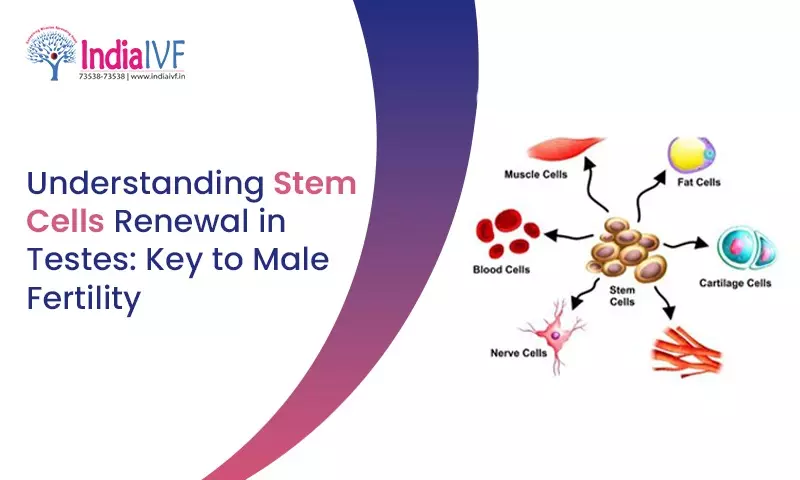
Stem cells are unique because they have the ability to develop into different types of cells in the body. They are essentially the body’s raw materials – cells from which all other cells with specialized functions are generated.
Types of Stem Cells
1. Embryonic Stem Cells: Found in early embryos, they can develop into any cell type.
2. Adult Stem Cells: Found in various tissues like the bone marrow, brain, and testes, they are more limited in their ability to differentiate but are crucial for tissue repair and maintenance.
3. Induced Pluripotent Stem Cells (iPSCs): These are adult cells that have been genetically reprogrammed to behave like embryonic stem cells.
Role of Stem Cells in the Body
Stem cells are fundamental for growth, healing, and replacing worn-out cells. They are constantly at work in many tissues, including the testes, to ensure that the body functions properly.
Stem Cells in Testes
In the testes, stem cells are responsible for producing new sperm cells, a process known as spermatogenesis. This is crucial for maintaining male fertility.
Function and Importance
Continuous Sperm Production: Stem cells in the testes divide and differentiate to produce millions of sperm daily.
Tissue Repair and Maintenance: They help repair any damage to the testicular tissue, ensuring its proper functioning.
Renewal Process
The renewal of stem cells in the testes is a highly regulated process. It involves:
- Self-Renewal: Stem cells divide to produce more stem cells.
- Differentiation: Some stem cells differentiate into specialized sperm cells.
This balance between self-renewal and differentiation is what keeps sperm production steady throughout a man’s life.
Impact on Male Fertility
The health and efficiency of stem cell renewal in the testes directly affect male fertility. Let’s explore how.
Enhancing Sperm Production
Healthy stem cells lead to robust sperm production. Any disruption in this process can lead to reduced sperm count and fertility issues.
Potential for Treating Infertility
Research into stem cells renewal in the testes holds promise for new infertility treatments. Scientists are exploring ways to use stem cells to boost sperm production in men with low sperm counts or other fertility issues.
Conclusion
The renewal of stem cells in the testes is a cornerstone of male fertility. These incredible cells ensure the continuous production of sperm and help maintain the health of testicular tissue. Understanding this process opens up exciting possibilities for treating male infertility and enhancing reproductive health. At India IVF Fertility, we are committed to providing cutting-edge information and treatments to support your fertility journey. For more insights and expert advice, visit our website or contact us today.